Apparel production for Germany is shaped by discipline, planning, and accountability. German apparel brands, buying offices, and sourcing managers are known for prioritizing process reliability, documentation accuracy, and consistent execution over short-term cost advantages. In this market, suppliers are evaluated not just on what they can produce, but on how predictably they can deliver.
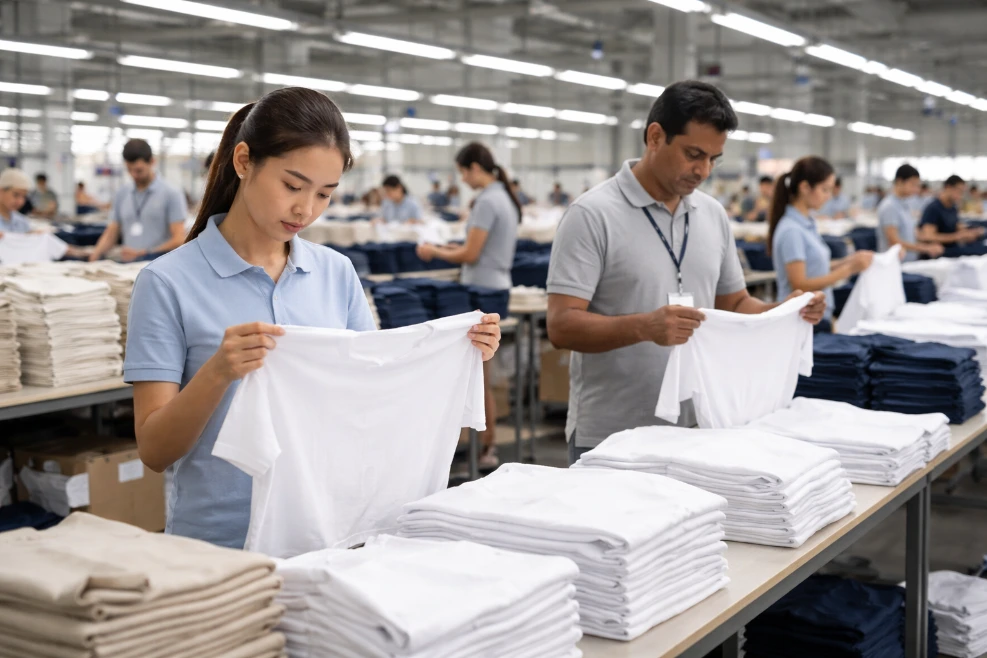
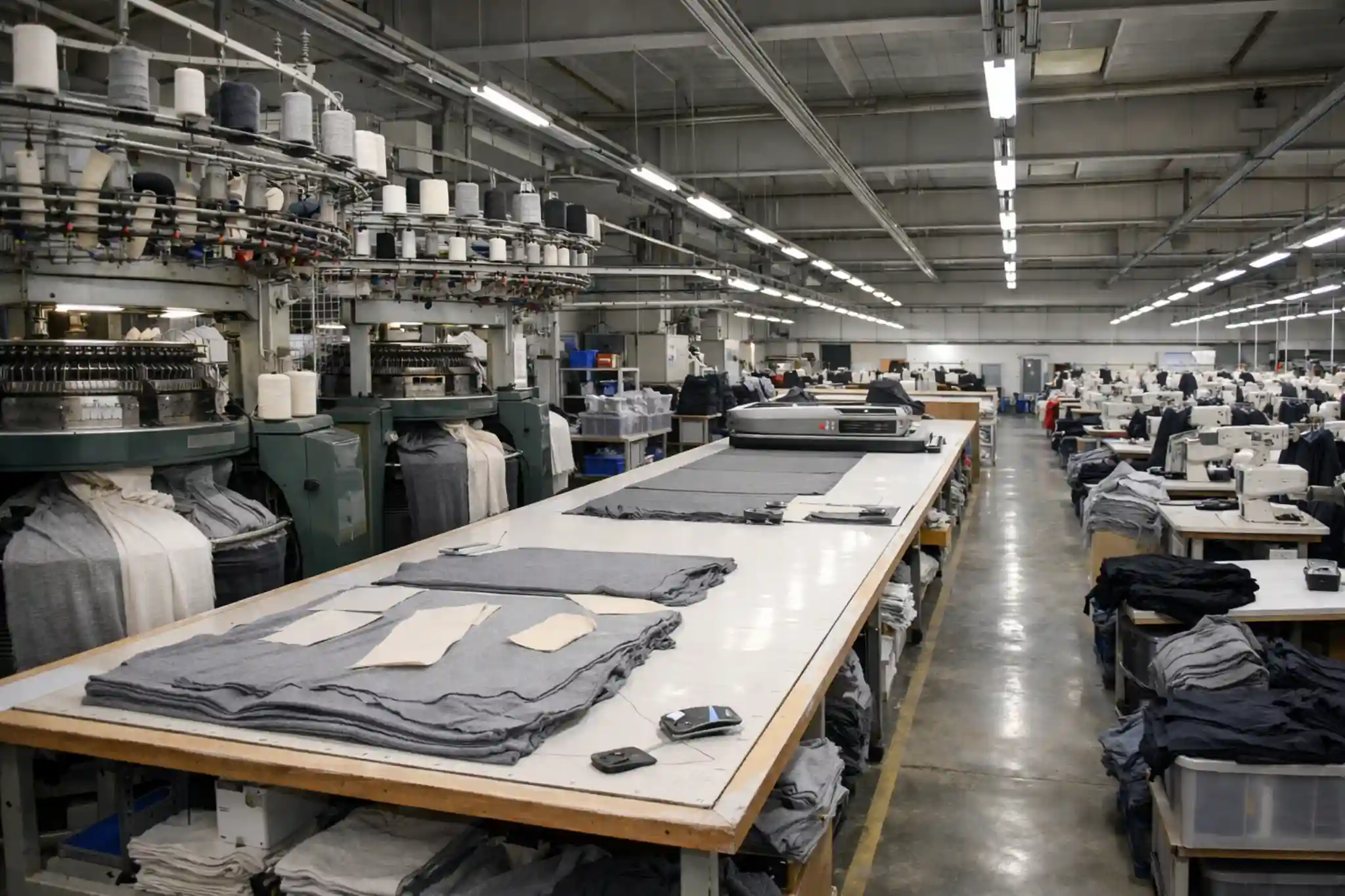
India has become an important sourcing base for Germany’s knitwear imports, covering categories such as T-shirts, polos, hoodies, sweatshirts, loungewear, sleepwear, and kidswear. However, successful apparel production for Germany depends far more on structured manufacturing workflows and quality governance than on geography alone.
This article explains how Germany-focused knitwear programs are executed from India, with a practical focus on quality management, compliance readiness, lead-time control, and long-term duty optimization.
Why Apparel Production for Germany Relies on Structured Sourcing
Germany is one of Europe’s largest apparel importers, supplying retail chains, private labels, and established fashion brands across the EU. Knitwear plays a significant role in this import mix due to its versatility, season-spanning demand, and repeat-order potential.
Indian knitwear hubs such as Tiruppur offer:
Large-scale knitwear-specialized ecosystems
Integrated yarn, knitting, dyeing, and finishing infrastructure
Export-oriented production units experienced with EU shipments
Capacity to support both core styles and replenishment programs
However, German buyers typically move forward only when suppliers demonstrate control, traceability, and repeatability. Apparel production for Germany is rarely transactional; it is program-driven.
For Germany-focused programs, expectations are clearly defined. Buyers generally look for:
Fabric stability with controlled shrinkage and balanced GSM
Measurement accuracy across all sizes and ratios
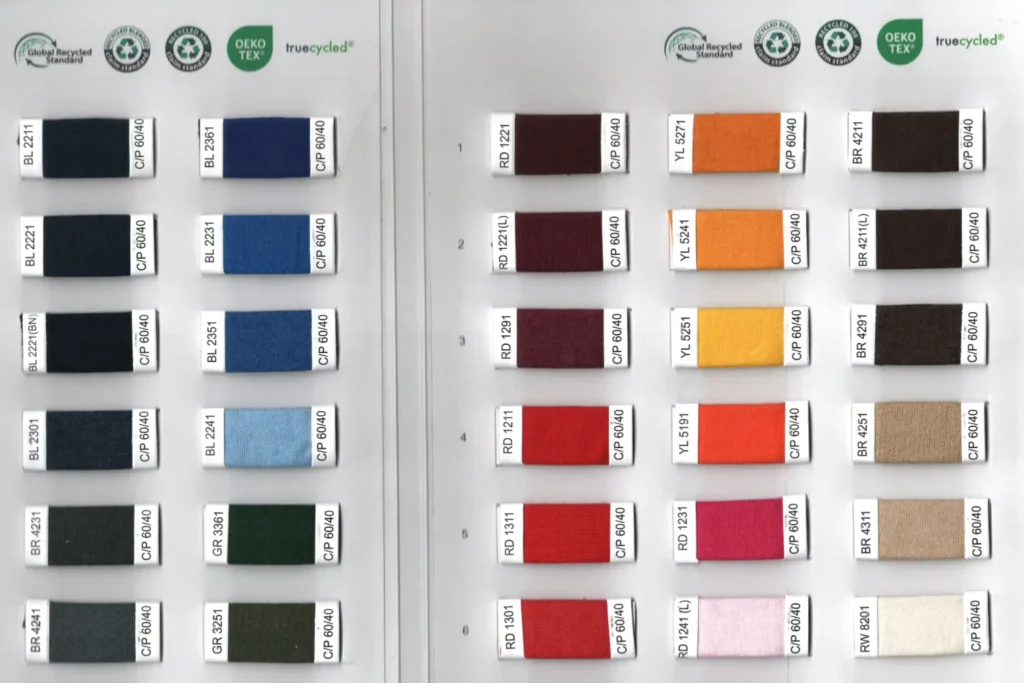
Consistency across color lots and repeat orders
Clean documentation aligned with internal compliance systems
Realistic lead times supported by conservative planning
Suppliers who approach apparel production for Germany with casual workflows often struggle to retain buyers. Those who implement structured processes and transparent controls are more likely to build long-term relationships.
A Practical 8-Step Apparel Production Workflow for Germany (Knitwear)
Below is a structured workflow used for apparel production for Germany, specifically for knitted garments. This reflects how serious export programs are executed, with an emphasis on governance rather than speed.
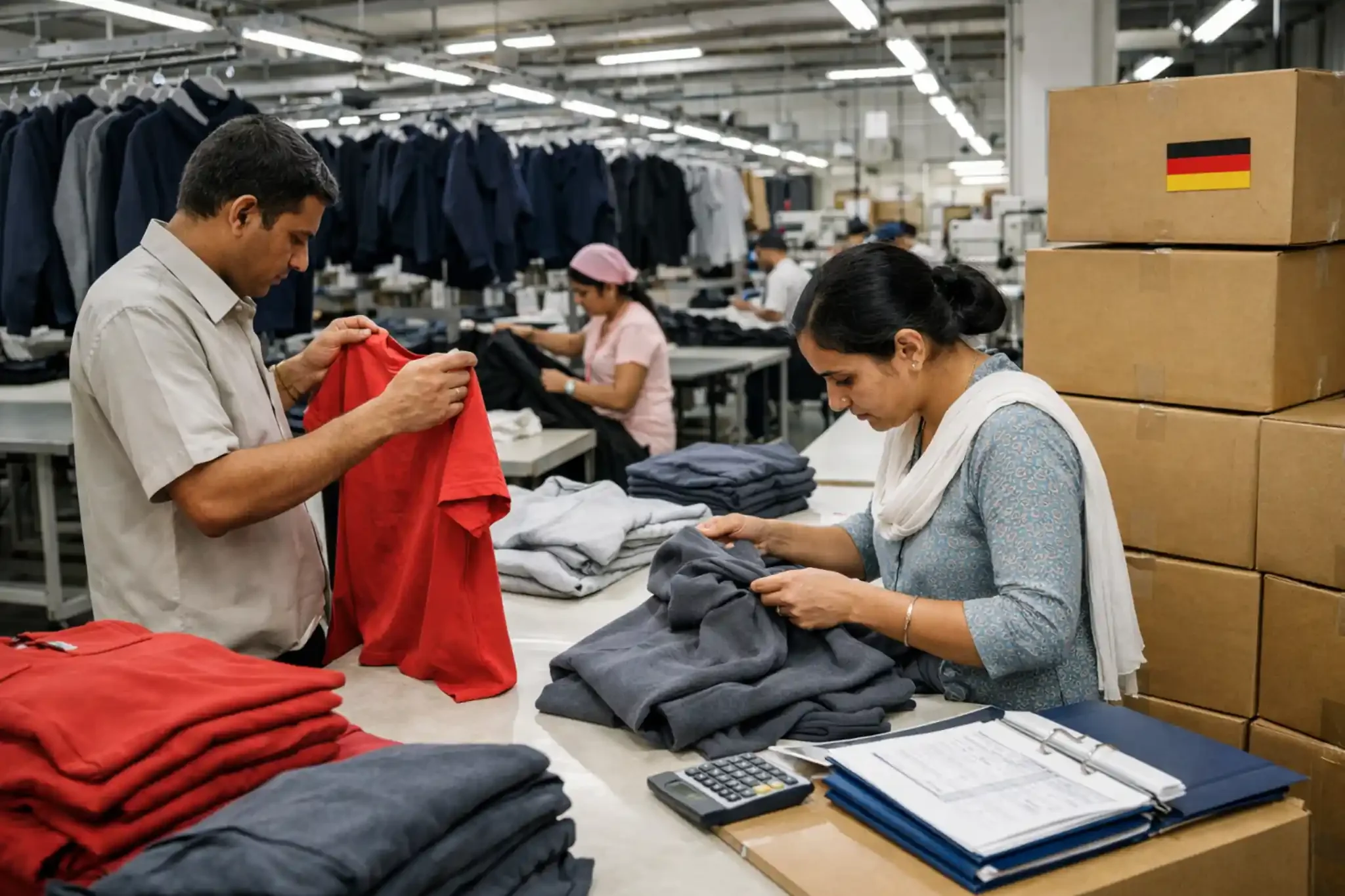
Step 1: Technical Inputs and Program Definition
Every Germany-bound program begins with technical clarity. Buyers typically provide:
A detailed tech pack with measurement charts and tolerances
Fabric composition, knit structure, and GSM range
Print or embroidery artwork files
Labeling and packing instructions
Size ratios and estimated order quantities
At this stage, feasibility is assessed strictly from a knitwear perspective to confirm that construction, finishing, and performance requirements can be met consistently at scale.
Step 2: Feasibility Validation and Risk Mapping
Before pricing, potential risks are identified:
Suitability of knit construction (single jersey, interlock, rib, fleece)
Fabric sourcing route (stock vs custom development)
Dyeing and shade-control complexity
Washing, finishing, or performance risks
German buyers generally prefer early risk identification rather than optimistic assumptions that lead to delays later.
Step 3: Costing and Lead-Time Planning for Germany Programs
Costing for apparel production for Germany is built transparently, factoring in:
Fabric and processing pathways
Sewing complexity and efficiency
Branding, trims, and packaging
Quality checkpoints and inspection scope
Export documentation requirements
Lead times are planned conservatively to accommodate approvals, inspections, and logistics. In the German market, reliability consistently outweighs speed.
Step 4: Sampling and Pre-Production Approvals
Sampling focuses on verifying:
Fabric hand feel and dimensional behavior
Stitch quality and seam balance
Branding placement accuracy
Measurement conformity
Approvals are documented and locked before bulk production begins. Bulk is never treated as a testing phase.
Step 5: Bulk Production Scheduling and Control
Once approvals are confirmed:
Materials are committed
Production lines are scheduled
Quality checkpoints are defined
This phase plays a critical role in lead-time stability. Weak planning here often results in downstream disruptions.
Step 6: Inline Quality Control During Production
For apparel production for Germany, inline quality control is essential. Typical checks include:
Fabric inspection prior to cutting
Cutting panel verification
Sewing audits for stitch consistency
In-process measurement checks
Branding and labeling verification
Inline controls reduce final inspection failures and help maintain consistency across size ranges.
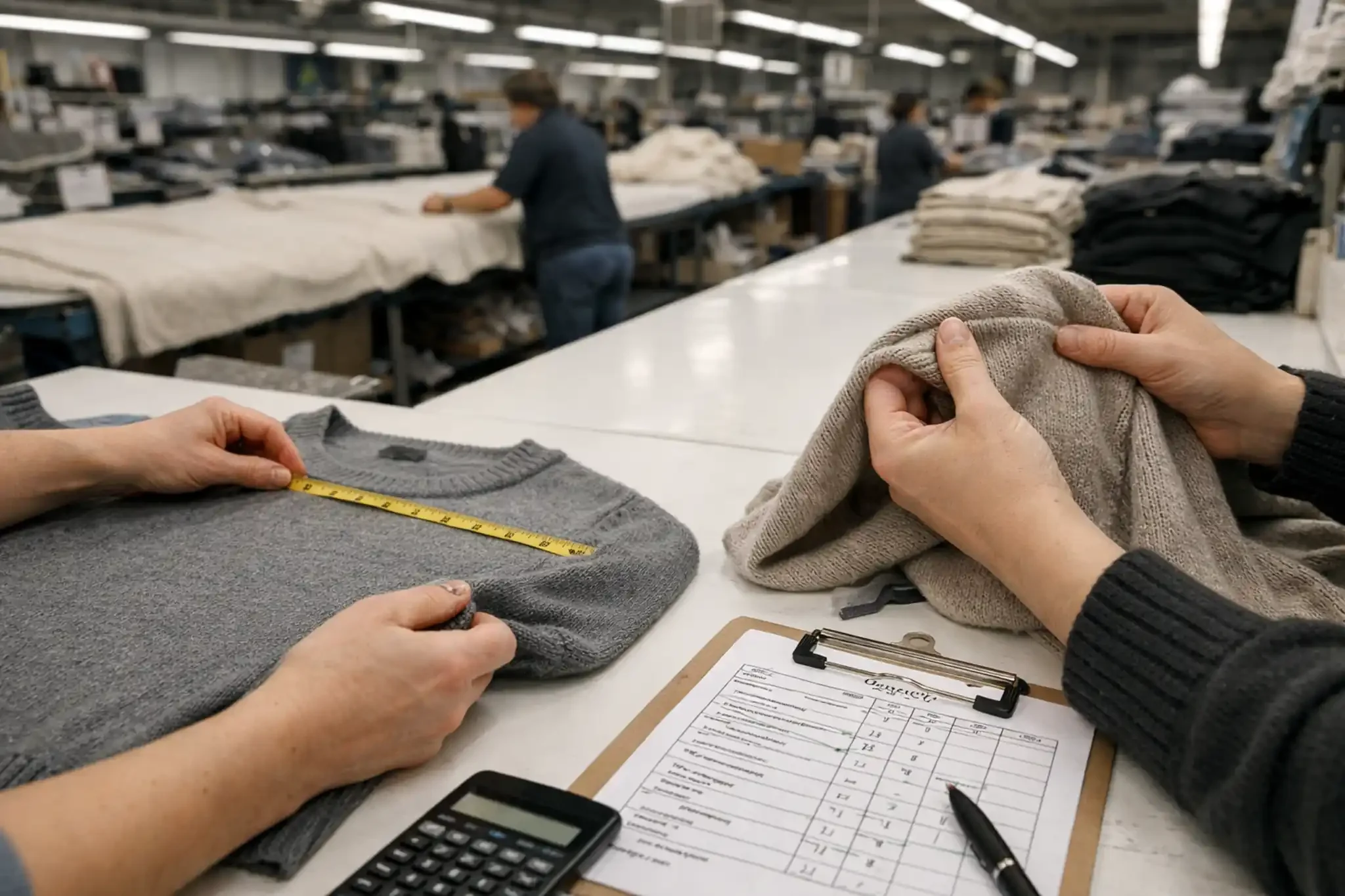
Step 7: Final Inspection and Documentation Readiness
Before shipment, goods are offered for:
Internal final audit
Buyer-appointed or third-party inspection, if required
Packing and assortment verification
Export documentation is prepared and cross-checked to support smooth customs clearance into Germany.
Step 8: Shipment Dispatch and Continuous Improvement
After dispatch:
Shipment documents are shared through a single communication channel
Receiving feedback is reviewed
Process improvements are applied to future orders
German buyers value partners who treat apparel production as a continuous improvement cycle rather than a one-off transaction.
Managing Quality in Apparel Production for Germany
Fabric performance after wash
German buyers evaluate knitwear based on post-wash behavior. Shrinkage control, finishing discipline, and fabric stability are critical.
Measurement accuracy across sizes
Inconsistent grading is a common source of dissatisfaction. Inline measurement audits help prevent this.
Color and shade consistency
Repeat colors require planning to avoid lot-to-lot variation, especially for dark shades.
Packing and assortment clarity
Correct size labeling, accurate assortments, and clean packing lists reduce warehouse issues for German importers.
Compliance Expectations for the German Market
Compliance in apparel production for Germany is expected to be practical, verifiable, and aligned with buyer systems. This typically includes:
Correct fiber composition labeling
Buyer-specified testing where applicable
Traceable sourcing and production records
Over-claiming compliance without documentation often increases risk rather than reducing it.
Lead-Time Control: What Works for Germany Programs
Lead-time disruptions usually arise from:
Late approvals
Fabric delays
Production line congestion
Inspection bottlenecks
Stable Germany programs are built on:
Early approval locking
Conservative scheduling
Embedded quality checkpoints
Clear milestone-based communication
Predictability is the foundation of repeat business in the German market.
Germany Import Duties and the India-EU Zero-Duty Framework
Confirmed trade framework:
The India-EU Free Trade Agreement (FTA) has been formally signed, establishing a framework for the progressive reduction and eventual elimination of import duties on qualifying apparel exports from India to Germany and other EU member states.
Duty elimination is expected to be implemented in phases, depending on product category, implementation schedules, and compliance with the agreement’s rules of origin and documentation requirements.
What this means for garment production for Germany:
For German brands and sourcing teams, the FTA improves the long-term landed-cost outlook for knitwear sourced from India. As tariff reductions are applied, qualifying imports are expected to benefit from reduced or zero import duty, subject to regulatory conditions being met.
Why readiness matters:
Preferential duty treatment is not automatic. Eligibility depends on:
Correct origin qualification
Accurate export documentation
Traceable production records
Buyers who structure their sourcing programs correctly today will be best positioned to benefit as zero-duty provisions are implemented.
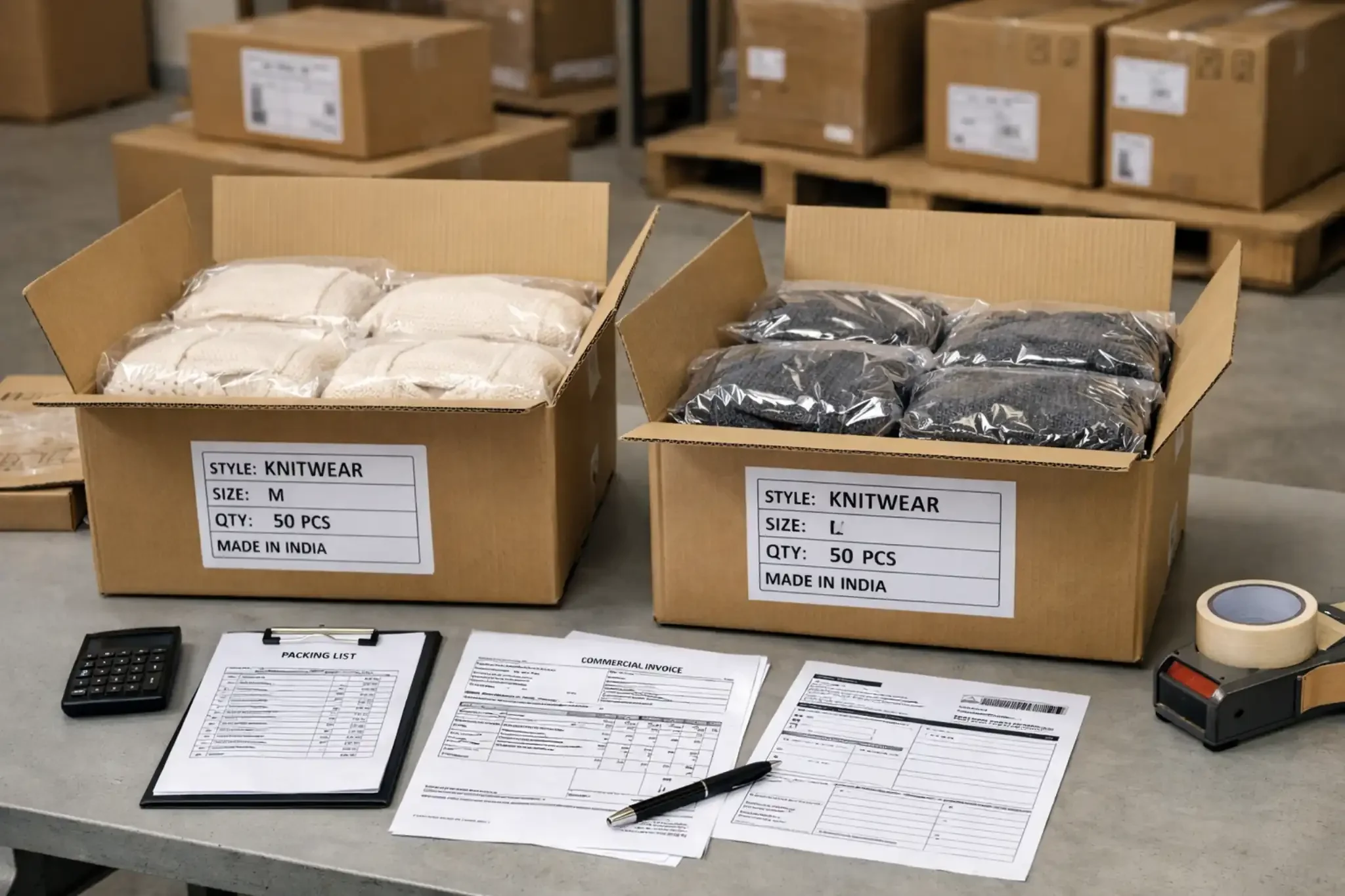
How Mirthuni Supports Apparel Production for Germany
Mirthuni Apparel Sourcing Service operates as an execution and coordination layer for Germany-focused knitwear programs from India. Typical support includes:
Feasibility validation and sampling coordination
Inline quality control structuring
Inspection readiness and export documentation alignment
Clear, milestone-based production communication
The focus is on predictable execution, not transactional manufacturing.
Frequently Asked Questions
No. This article and service scope focus exclusively on knitted garments.
Yes. Inspection protocols can align with buyer requirements.
Through early approvals, conservative planning, inline QC, and structured documentation workflows.
Discuss Your Apparel Production Program for Germany with an Export-Ready Indian Partner
If you are planning or scaling apparel production for Germany, share your tech pack, size ratios, and target volumes. We will respond with a feasibility assessment, execution plan, and realistic production timeline.