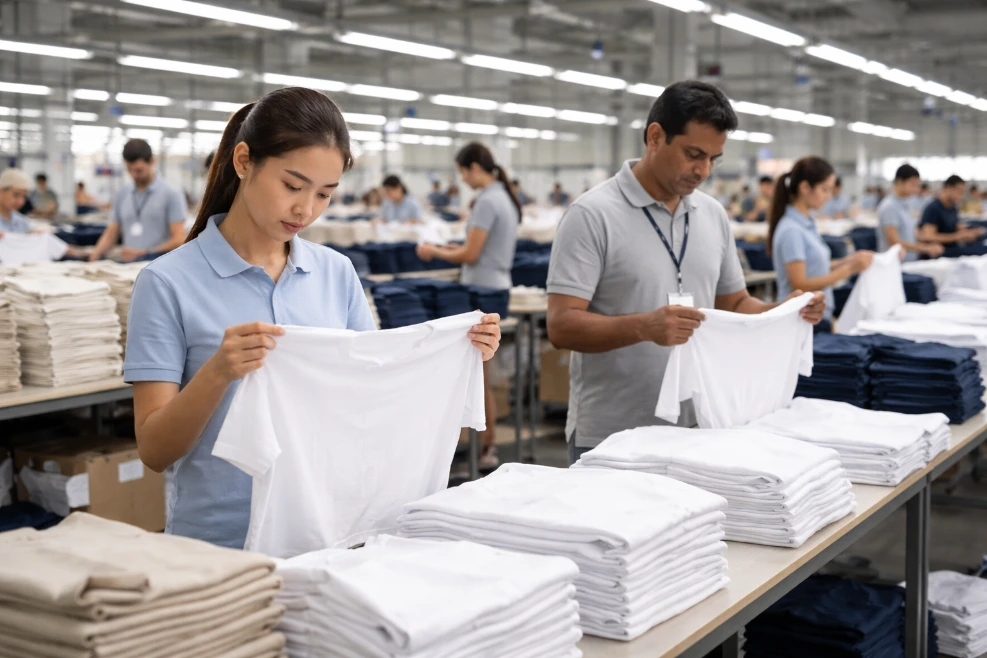
Manufacturing clothing overseas has become a common strategy for fashion brands looking to scale production, access specialized manufacturing expertise, and optimize production costs. Countries with established textile ecosystems offer strong garment manufacturing capabilities across knitwear, casualwear, activewear, and private label clothing programs.
However, overseas apparel production also introduces certain risks. Miscommunication, unclear specifications, payment misunderstandings, and production changes during manufacturing can lead to delays or unexpected costs.
Many issues in overseas garment manufacturing do not occur because factories lack capability. Instead, they happen because production planning, documentation, and expectations were not properly aligned before manufacturing began.
By following structured sourcing practices, fashion brands can significantly reduce production risks when manufacturing clothing overseas.
This guide explains practical steps that help brands manage international apparel production more effectively.
1. Confirm the Final Tech Pack Before Quotation and Production
One of the most common problems in garment manufacturing overseas occurs when the technical specifications are not finalized before production begins.
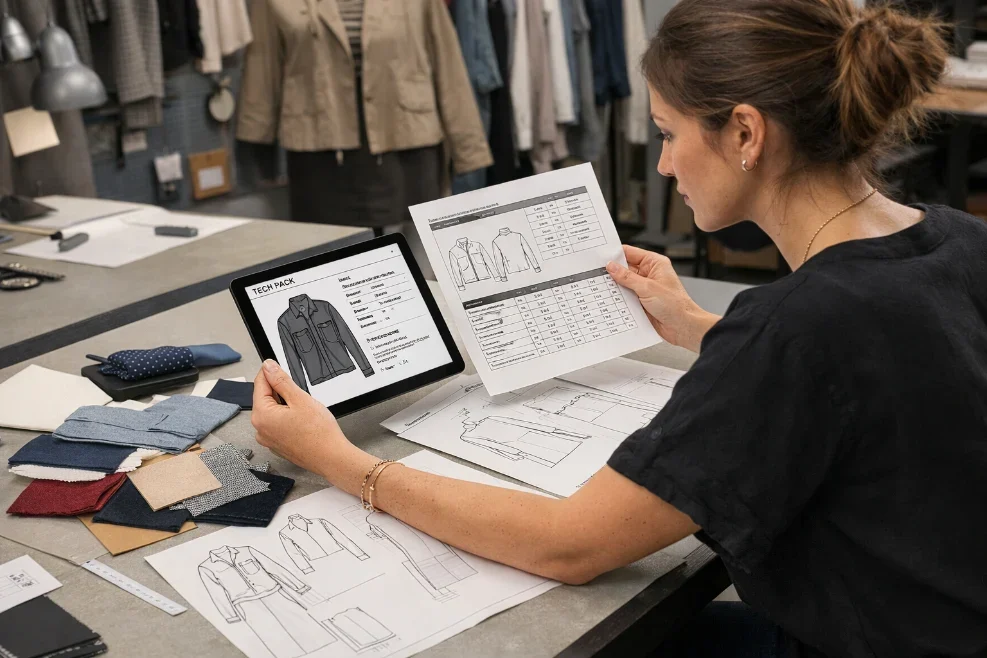
A tech pack acts as the blueprint for garment manufacturing. It defines exactly how the final garment should be produced.
A typical apparel tech pack includes:
garment measurements and size chart
fabric composition and GSM
construction details and stitching specifications
trims and accessories
print or embroidery artwork
label and packaging instructions
Factories calculate garment pricing based on the information provided in the tech pack.
If buyers change measurements, print artwork, or garment construction after receiving the quotation or approving samples, the production plan may be affected.
For example:
measurement changes require pattern redevelopment
artwork changes require new printing screens
fabric changes require new sourcing or dyeing programs
These changes can interrupt the production timeline and may increase costs.
To reduce production risks in overseas clothing manufacturing, brands should ensure that the tech pack is fully finalized before requesting quotations or approving bulk production.
2. Use Clear Payment Terms That Protect Both Parties
Payment structure is one of the most important aspects of international apparel sourcing.
A commonly accepted payment structure in garment manufacturing is:
50% Advance and 50% Balance Before Shipment
This payment model is widely used because it protects both the buyer and the manufacturer.
The advance payment allows the factory to begin:
yarn procurement
fabric knitting or sourcing
dyeing and finishing processes
trim sourcing
production scheduling
The remaining balance is usually settled before shipment or against shipping documents.
Many experienced and reputable buyers agree to this structure because it ensures that production resources can be arranged without delays.
Payment Terms for Startup Fashion Brands
Startup brands often work with smaller order quantities or limited budgets.
In such cases, factories may require a different structure such as:
70% Advance and 30% Balance Before Shipment
This structure helps secure the cost of raw materials and production resources, especially for custom garments.
Fabric production, dyeing, printing preparation, and trim sourcing all occur before sewing begins. Because of this, advance payments are necessary to initiate production.
Clear payment agreements reduce financial risks for both the buyer and the manufacturer.
3. Avoid Changing Production Plans After PPS Approval
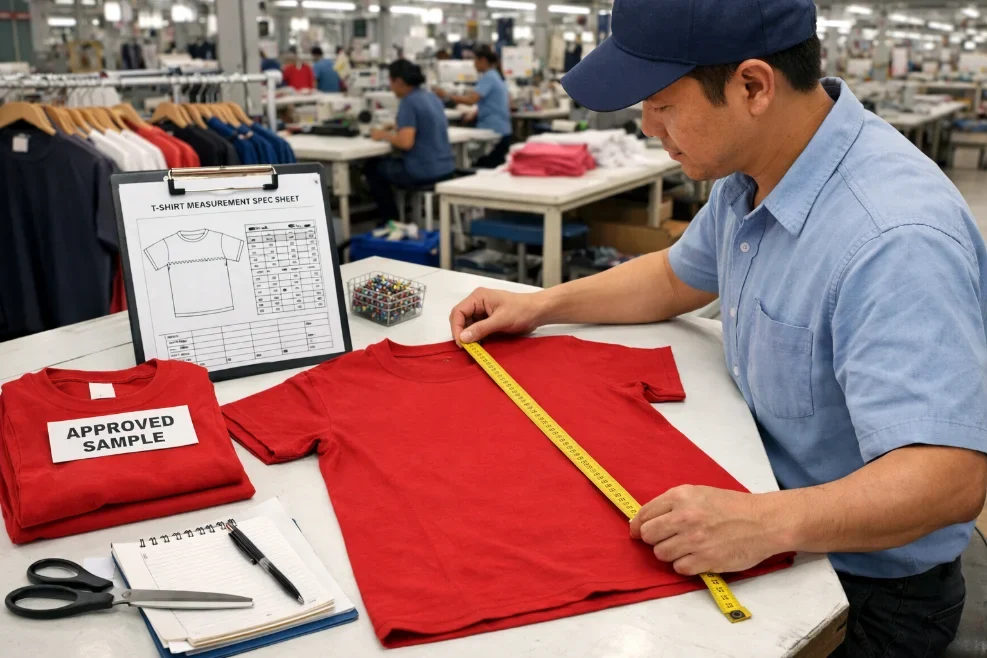
In garment manufacturing, a Pre-Production Sample (PPS) represents the final garment construction before bulk production begins.
The PPS is used to confirm:
measurements
garment construction
fabric and trims
print placements
finishing details
Once the PPS is approved, factories begin preparing for bulk production.
This stage often includes:
fabric dyeing programs
cutting marker preparation
printing setup
sewing line planning
If buyers change specifications after the PPS is approved, the entire production schedule may be affected.
Common late-stage changes include:
measurement adjustments
print design changes
label updates
fabric modifications
When this happens, factories may need to pause production and reassess the manufacturing plan.
For this reason, brands should carefully review the PPS and confirm all garment specifications before approving bulk production.
Maintaining production consistency is essential when manufacturing clothing overseas.
4. Confirm Organic Certification Before Starting Organic Programs
Organic garment production requires strict certification compliance.
For example, if a fashion brand plans to sell GOTS-certified garments, the certification chain must be verified before production begins.
If the buyer requires a Transaction Certificate (TC) for the final garments, certain conditions must be met.
These typically include:
the buyer holding a valid GOTS certification
the manufacturing factory being GOTS certified
yarn or fabric sourced from certified suppliers
Because certification must follow the supply chain from yarn to finished garment, factories usually require certification confirmation before yarn procurement begins.
Starting organic production without confirming certification can create documentation issues later in the export process.
Verifying organic certification early helps maintain traceability and compliance across the entire manufacturing program.
5. Plan Realistic Production Timelines
Another important step in reducing overseas garment manufacturing risks is planning realistic production timelines.
Garment production involves several stages, including:
fabric knitting or sourcing
dyeing and finishing
printing or embroidery preparation
cutting and sewing
finishing and packing
Production timelines depend on factors such as:
garment complexity
order quantity
fabric availability
printing or embroidery processes
Brands should allow sufficient time for sampling, production, and quality inspection.
Rushed production schedules can increase the risk of quality issues or shipment delays.
6. Maintain Clear Communication Throughout Production
Clear communication is essential when working with clothing manufacturers overseas.
Important information should always be documented, including:
final tech pack
approved samples
artwork files
size charts
packaging instructions
Documented communication ensures that both the buyer and manufacturer follow the same production plan.
This reduces misunderstandings and helps maintain consistency during garment manufacturing.
Final Thoughts
Manufacturing clothing overseas can be highly successful when production planning is handled carefully.
Most sourcing risks arise not from factory capability, but from unclear specifications, changing requirements, or unrealistic expectations during production.
Fashion brands can reduce production risks by:
confirming the final tech pack before production
agreeing on clear payment terms
avoiding specification changes after PPS approval
verifying certification requirements early for organic programs
maintaining clear communication with manufacturing partners
With proper planning and structured production processes, international apparel manufacturing can become a reliable and scalable part of a brand’s supply chain.
Frequently Asked Questions
What are the biggest risks in overseas clothing manufacturing?
Common risks include unclear garment specifications, payment misunderstandings, production changes during manufacturing, quality issues, and communication gaps between buyers and factories.
What payment terms are commonly used in garment manufacturing?
Many apparel manufacturers use 50% advance and 50% balance before shipment. Startup brands may sometimes work with 70% advance and 30% balance depending on order size and production requirements.
Why is a tech pack important in clothing manufacturing?
A tech pack provides detailed garment specifications including measurements, fabric, construction, trims, and artwork. It helps factories understand exactly how the garment should be produced.
What is a PPS sample in garment manufacturing?
A Pre-Production Sample (PPS) is the final approved garment used as the reference before bulk production begins. It confirms measurements, fabric, trims, and construction details.
Can production changes be made after PPS approval?
Changes after PPS approval are possible but may disrupt production schedules. Factories may need to pause manufacturing or adjust production plans if major changes occur.
Why is certification important for organic clothing production?
Certifications such as GOTS ensure traceability and compliance in organic textile production. Certification must be confirmed before yarn procurement to maintain the certified supply chain.