In today’s competitive fashion industry, relying on a single product line is rarely sustainable. Modern clothing brands grow by expanding into multiple garment categories under one coordinated production system. This approach is known as Multi Category Apparel manufacturing.
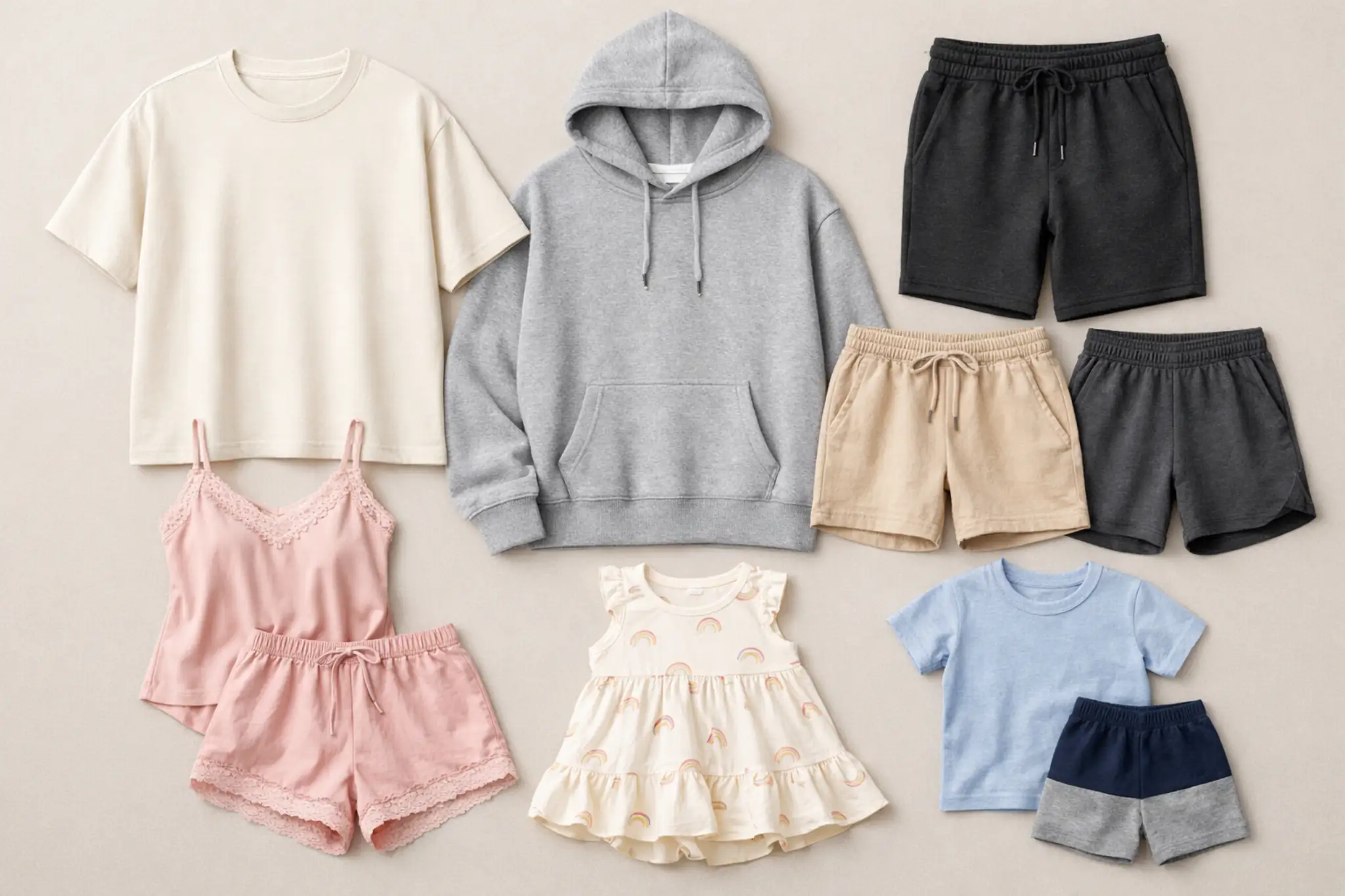
Multi Category Apparel manufacturing allows brands to develop T shirt manufacturing programs, hoodie manufacturing lines, jogger pant manufacturing collections, shorts manufacturing ranges, sleepwear manufacturing capsules, and kidswear manufacturing segments within one structured supply chain.
For international buyers, understanding how Multi Category Apparel systems operate is critical before selecting a long term manufacturing partner.
What Multi Category Apparel Really Means
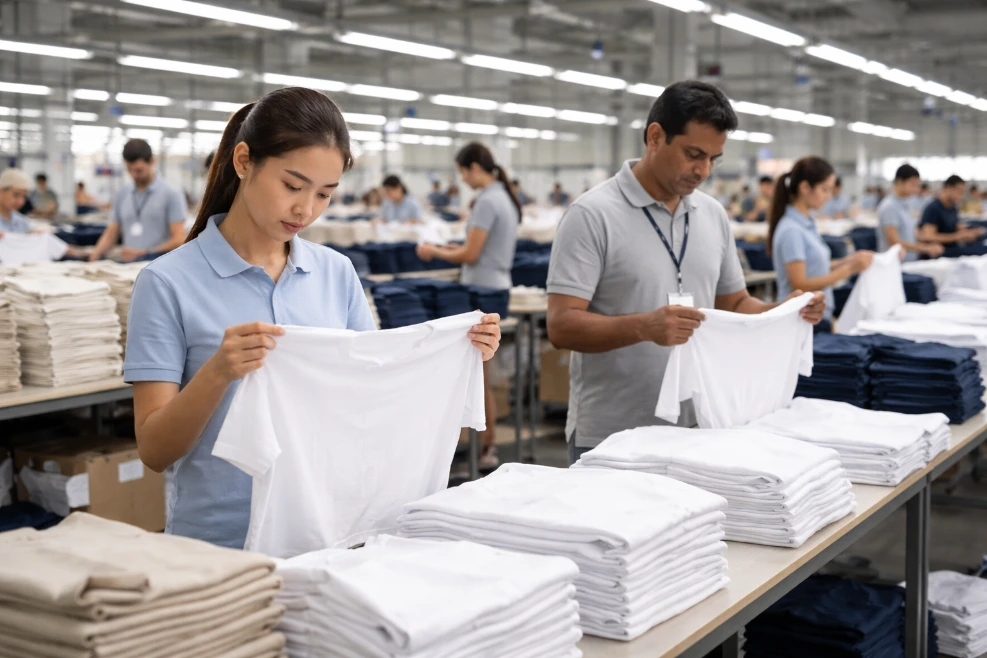
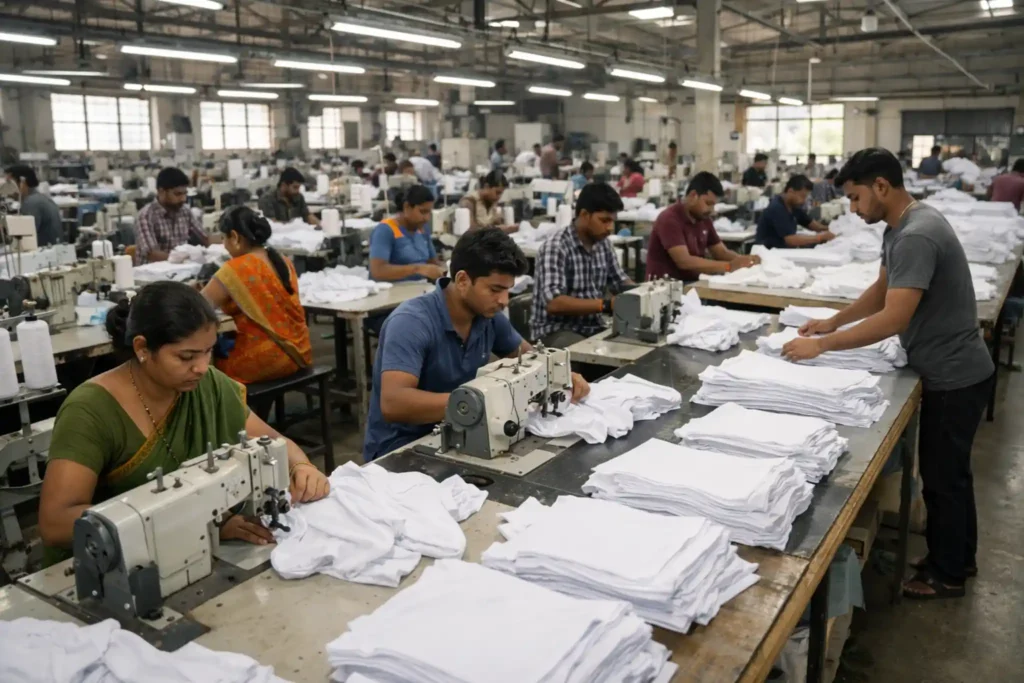
Multi Category Apparel manufacturing refers to a structured production system capable of handling multiple garment types with consistent quality control, grading standards, and scalable output.
Rather than treating T shirt manufacturing, hoodie manufacturing, and jogger pant manufacturing as isolated programs, a Multi Category Apparel partner integrates fabric planning, pattern engineering, and inspection protocols across all product categories.
This reduces operational friction and improves reliability for global clothing brands.
Core Categories Within Multi Category Apparel Manufacturing
T Shirt Manufacturing
T shirt manufacturing forms the foundation of many collections. Whether brands require custom T shirt manufacturing for private label programs or oversized T shirt manufacturing for contemporary silhouettes, consistency in fabric behavior and neckline construction is essential.
Polo T shirt manufacturing introduces structured collar development and reinforced plackets. Long sleeve T shirt manufacturing adds sleeve grading complexity. Kids T shirt manufacturing demands durability and soft finishing appropriate for younger demographics.
A Multi Category Apparel system ensures all these variations maintain uniform quality standards.
Hoodie Manufacturing
Hoodie manufacturing involves heavier knit structures and more layered construction than standard tees. Custom hoodie manufacturing may integrate embroidery, appliqué, or specialty prints that require panel stabilization.
Oversized hoodie manufacturing depends heavily on accurate drop shoulder grading. Zip hoodie manufacturing requires precise front panel alignment for zipper installation. Pullover hoodie manufacturing focuses on hood structure and rib durability.
Sweatshirt manufacturing and oversized sweatshirt manufacturing follow similar principles but differ in silhouette engineering. Within Multi Category Apparel programs, these products are developed under synchronized production timelines.
Jogger Pant Manufacturing and Bottomwear
Jogger pant manufacturing introduces waistband tension control and rib cuff elasticity testing. Sweatpants manufacturing and track pants manufacturing demand careful inseam tolerance management to prevent size inconsistencies.
Lounge pants manufacturing prioritizes comfort while maintaining seam durability. Shorts manufacturing varies seasonally, with cotton shorts manufacturing focusing on breathability and casual shorts manufacturing allowing greater styling flexibility. Kids shorts manufacturing requires reinforced stitching to support movement.
Multi Category Apparel systems coordinate these bottomwear programs alongside tops without disrupting production flow.
Sleepwear Manufacturing and Comfort Categories
Sleepwear manufacturing and pajama manufacturing require softer fabrics and skin friendly finishing processes. Nightwear manufacturing emphasizes lightweight materials with stable dye performance. Loungewear manufacturing bridges comfort and casual styling, often sharing production planning with T shirt manufacturing programs.
By operating within a Multi Category Apparel framework, brands can align comfort collections with their mainline garments efficiently.
Kidswear Manufacturing and Family Collections
Kidswear manufacturing expands into baby clothing manufacturing, toddler clothing manufacturing, and children clothing manufacturing. These segments introduce additional quality checkpoints, secure trim policies, and detailed size grading.
Multi Category Apparel manufacturing enables brands to manage adult and children collections under one coordinated inspection structure.
Streetwear and Contemporary Programs
Streetwear manufacturing requires heavier fabrics and silhouette precision. Oversized streetwear manufacturing demands careful proportion grading across extended size ranges. Custom streetwear manufacturing often integrates graphics, patches, or premium trims that must be validated during sampling.
Supporting categories such as tank top manufacturing, vest manufacturing, camisole manufacturing, long sleeve top manufacturing, and casual knit top manufacturing expand seasonal depth and collection variety.
Within a Multi Category Apparel environment, these products share aligned fabric sourcing and quality protocols.
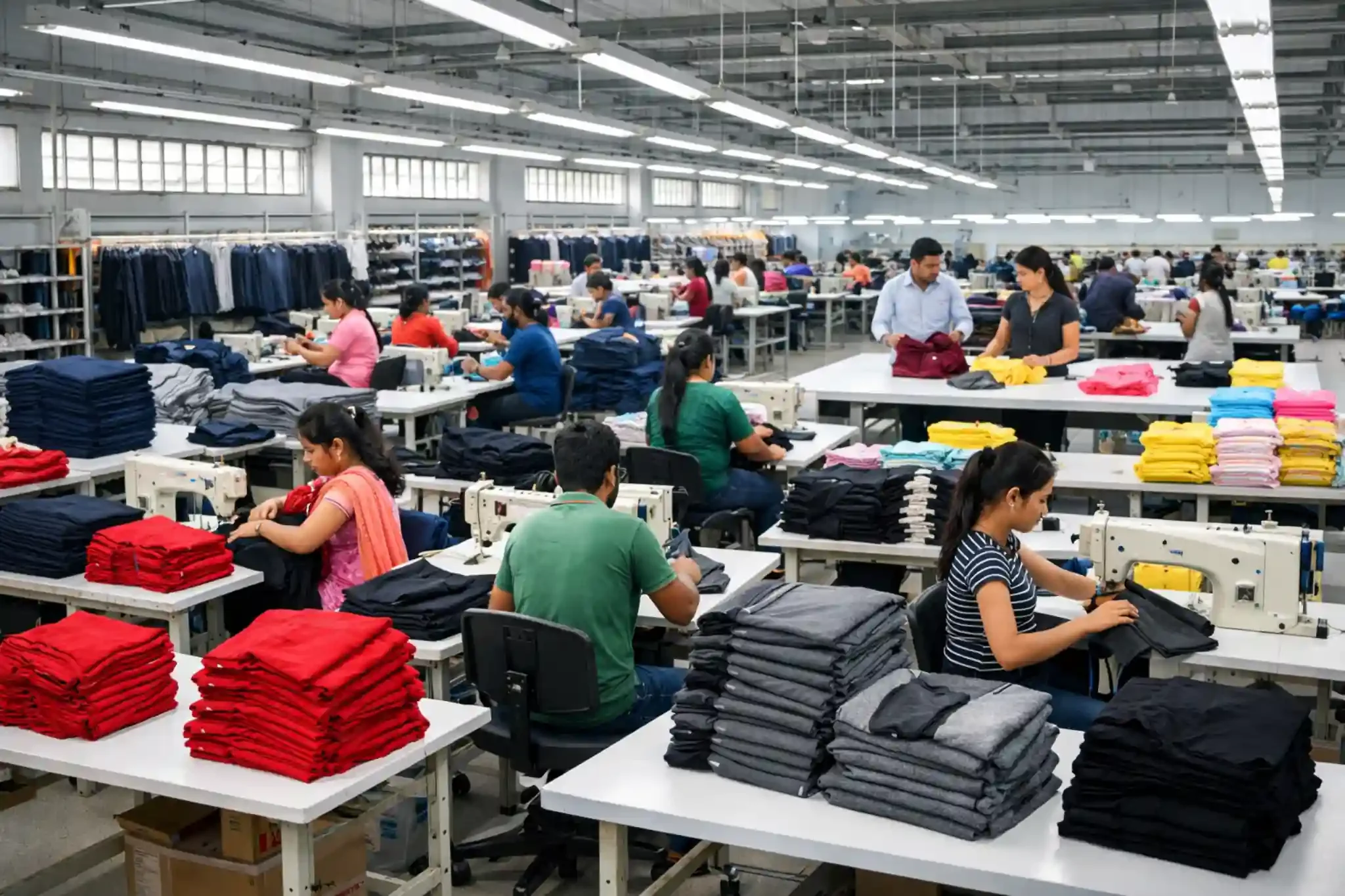
Fabric Engineering Across Multi Category Programs
One of the defining strengths of Multi Category Apparel manufacturing is fabric planning. T shirt manufacturing may use mid weight jersey, while hoodie manufacturing often relies on loopback or fleece structures. Jogger pant manufacturing must account for stretch recovery, while shorts manufacturing balances breathability with structural integrity.
Sleepwear manufacturing requires softer hand feel fabrics that still maintain dimensional stability after washing.
Managing these fabric variables across categories reduces risk for international buyers.
Pattern Development and Grading Consistency
Expanding from T shirt manufacturing into hoodie manufacturing and jogger pant manufacturing requires separate pattern engineering. Oversized T shirt manufacturing and oversized hoodie manufacturing must maintain silhouette balance across graded sizes.
Track pants manufacturing and sweatpants manufacturing depend heavily on accurate rise and inseam proportions. Baby clothing manufacturing and toddler clothing manufacturing require distinct grading logic compared to adult programs.
A disciplined Multi Category Apparel system ensures size integrity across all categories.
Quality Control in Multi Category Apparel Manufacturing
International brands evaluating Multi Category Apparel partners should focus on structured inspection systems. T shirt manufacturing requires neckline and stitch density checks. Hoodie manufacturing introduces panel alignment verification. Jogger pant manufacturing demands elastic strength testing.
Sleepwear manufacturing requires color fastness validation, while kidswear manufacturing requires additional safety inspection protocols.
Coordinated quality control across all categories prevents shipment delays and reduces commercial risk.
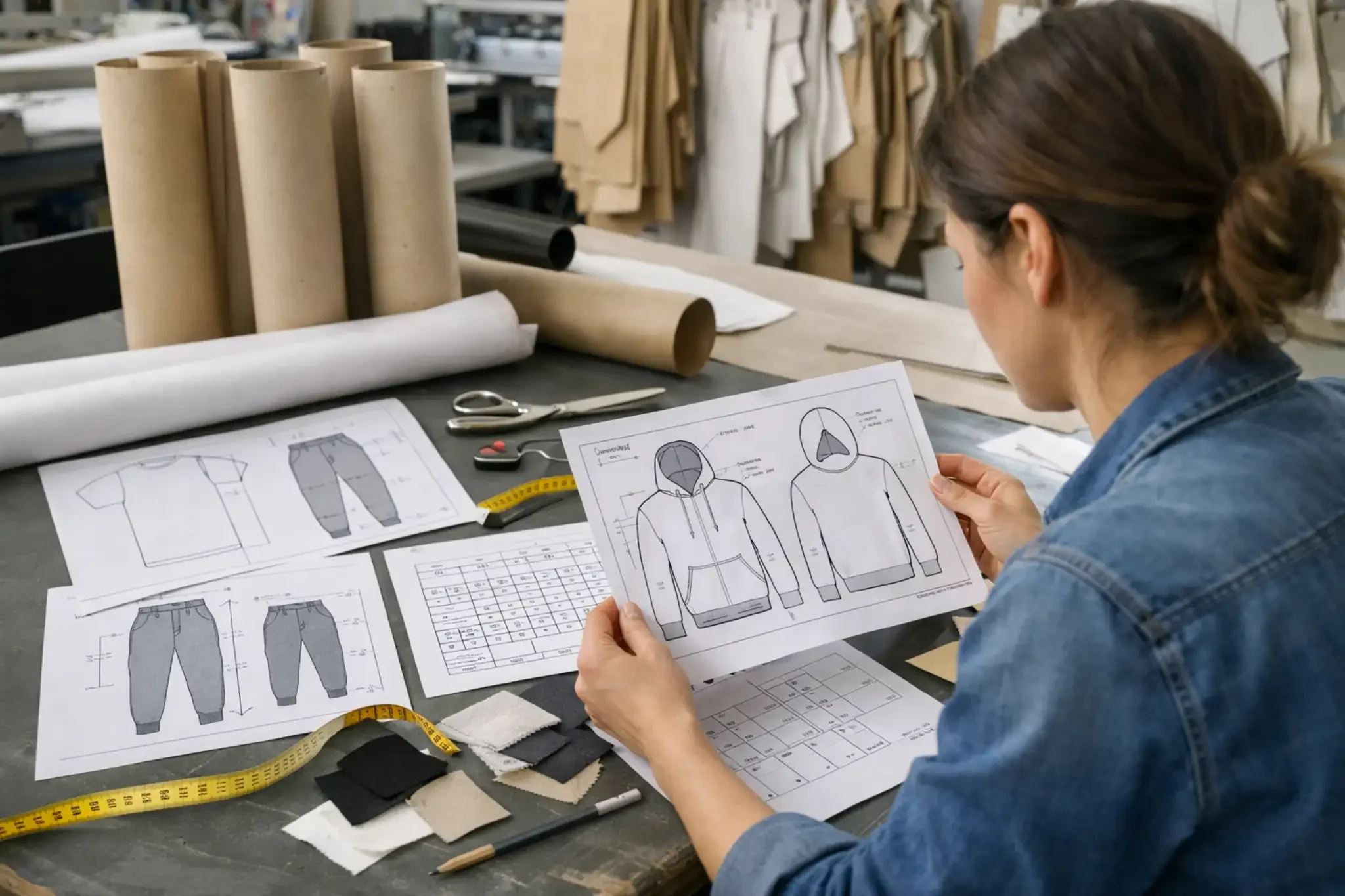
Scaling Multi Category Apparel for International Markets
For export oriented clothing brands, scalability matters as much as construction quality. Fabric procurement timelines for hoodie manufacturing differ from those for T shirt manufacturing. Jogger pant manufacturing may require additional rib sourcing coordination.
Multi Category Apparel systems synchronize these timelines to ensure smoother production scheduling.
International clients typically value:
• Production transparency
• Documentation accuracy
• Consistent communication
• Scalable capacity
• Reliable inspection reporting
A structured Multi Category Apparel manufacturing partner provides stability across product expansions.
Why Multi Category Apparel Manufacturing Supports Long Term Brand Growth
Brands that operate within a Multi Category Apparel framework gain flexibility. They can launch new T shirt manufacturing lines while simultaneously expanding hoodie manufacturing programs or introducing jogger pant manufacturing collections.
They can integrate shorts manufacturing, sleepwear manufacturing, and streetwear manufacturing without rebuilding supply chains from scratch.
This continuity reduces operational risk and strengthens brand reliability in global markets.
Final Thoughts
Multi Category Apparel manufacturing is not simply about producing many garment types. It is about integrating T shirt manufacturing, hoodie manufacturing, jogger pant manufacturing, shorts manufacturing, sleepwear manufacturing, kidswear manufacturing, and streetwear manufacturing under one disciplined production system.
For international clothing brands seeking scalability, consistency, and structured growth, Multi Category Apparel manufacturing offers a long term strategic advantage.