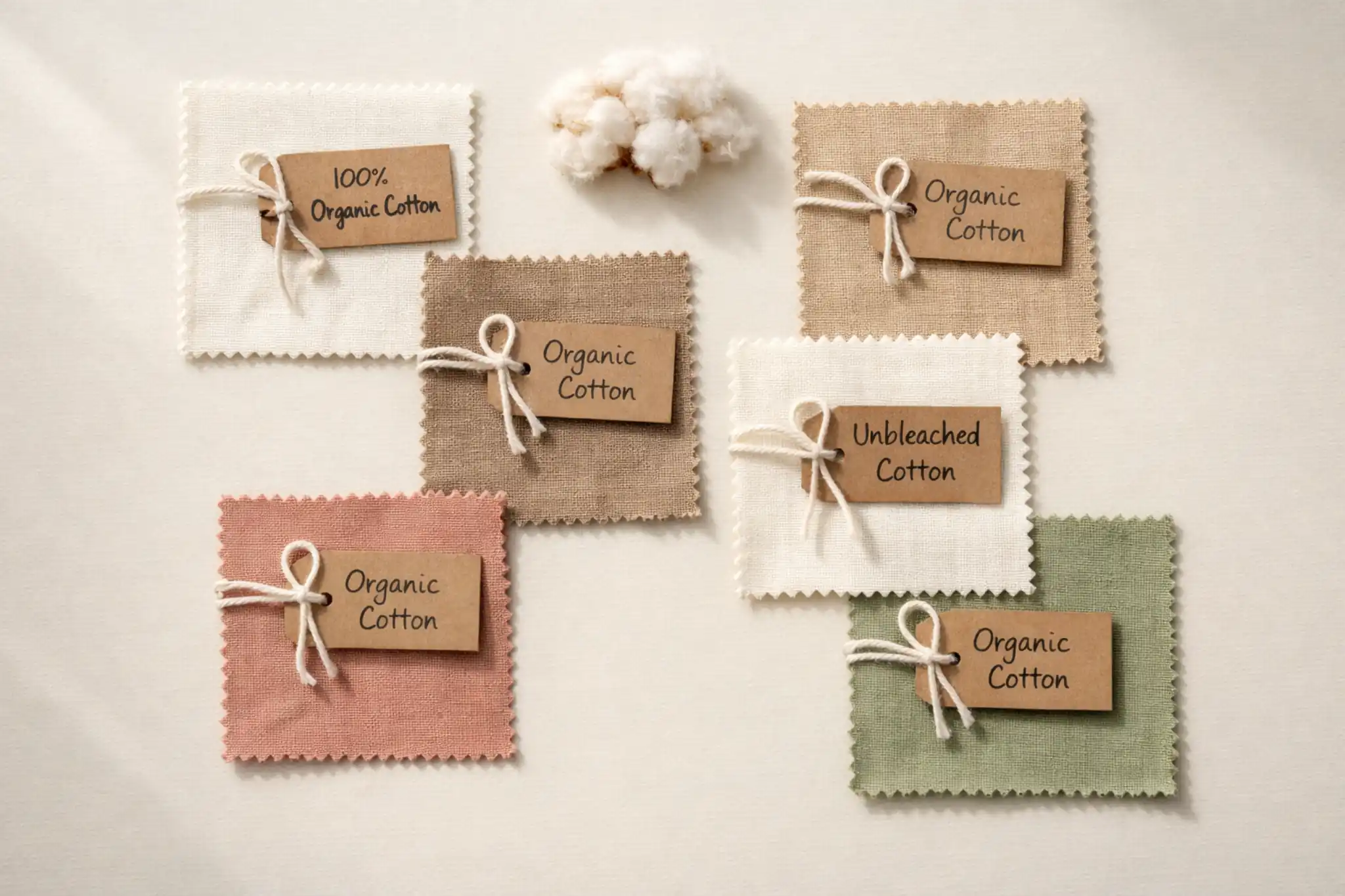
Organic cotton T-shirts have moved far beyond being a lifestyle trend. Today, they sit at the center of regulatory scrutiny, buyer audits, and consumer trust. For brands selling in the US, UK, and EU markets, using the word organic without understanding certification rules, minimum fabric order requirements, and compliance documentation can lead to legal exposure, rejected shipments, and marketplace penalties.
This guide explains how organic cotton certification really works inside production factories, what MOQs actually mean, and what brands must do to remain compliant.
What Makes a T-Shirt Truly Organic
A T-shirt is not considered organic simply because the fiber is grown without pesticides. For a product to be marketed and labeled as organic, every step in the supply chain must be traceable and certified.
This includes:
Cotton farming
Ginning and spinning
Knitting or weaving
Dyeing and processing
Cutting, stitching, packing and labeling
If even one stage is not certified, the finished garment legally cannot be sold as organic in most export markets.
GOTS Certification Explained Simply
The Global Organic Textile Standard, commonly known as GOTS, is the internationally recognized system that governs organic textile compliance.
GOTS verifies:
Organic fiber content
Chemical safety in processing
Environmental wastewater management
Ethical labor conditions
Traceability through transaction certificates
A product can only be marketed as organic when its entire supply chain is within a certified system.
What GOTS Actually Covers
| Area | What Is Verified |
|---|---|
| Raw material | Organic cotton source and fiber purity |
| Processing | Approved dyes, auxiliaries and wastewater treatment |
| Labor | Social compliance and worker safety |
| Documentation | Transaction certificates for every batch |
| Labeling | Legal logo usage and traceable batch coding |
Without GOTS documentation, organic claims remain legally unsupported even if the cotton itself is organic.
Fabric-Level vs Garment-Level GOTS
Many brands assume that fabric certification alone allows organic labeling. This is not correct.
There are two separate layers of GOTS certification.
| Certification Level | Covers | Who Must Hold It | Why It Matters |
|---|---|---|---|
| Fabric-level GOTS | Yarn to finished fabric | Spinning, knitting, dyeing mills | Ensures certified organic material |
| Garment-level GOTS | Cutting to packing | Stitching factory and brand | Allows logo use and legal marketing |
| Certification Level | Details |
|---|---|
| Fabric-Level GOTS |
|
| Garment-Level GOTS |
|
A brand can only use the official GOTS logo if both the fabric and the garment production units are certified and the brand itself is registered within the GOTS system.
OEKO-TEX and What It Actually Means
OEKO-TEX Standard 100 is a chemical safety certification. It ensures that harmful substances are not present in textiles.
OEKO-TEX does not certify organic fiber. It certifies chemical safety only.
Many responsible factories supply fabrics that are both GOTS certified and OEKO-TEX certified. This combination ensures:
Organic fiber traceability
Safe dyeing and finishing
Compliance with EU chemical regulations
| Certification | Purpose |
|---|---|
| GOTS | Organic content and supply chain traceability |
| OEKO-TEX | Chemical safety and restricted substance compliance |
OEKO-TEX alone cannot be used to market a product as organic.
Why Organic Cotton Fabrics Follow Minimum Batch Requirements
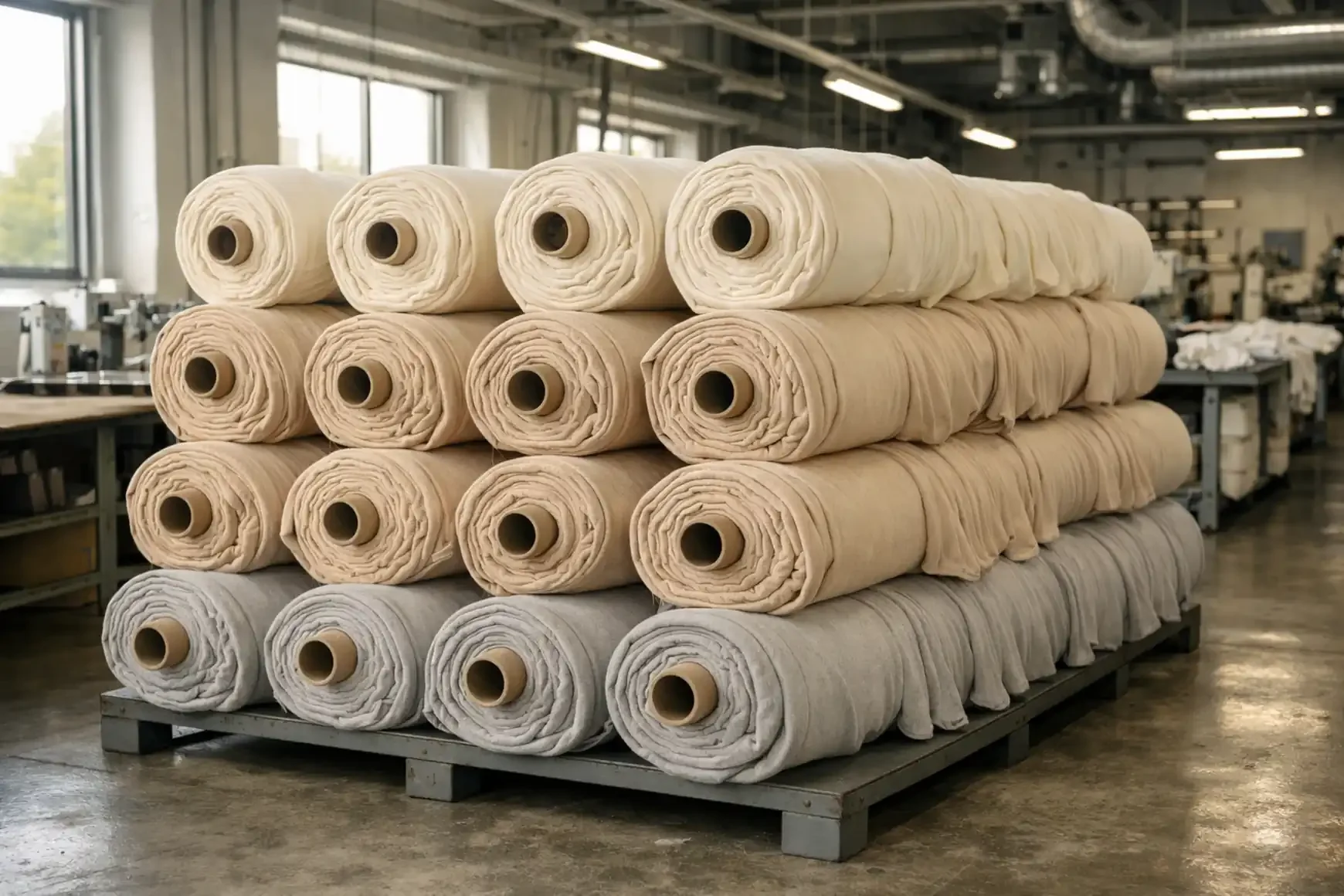
Organic cotton shirts are produced under certified manufacturing systems that require strict traceability and controlled processing. To protect certification integrity, mills operate organic cotton fabrics through dedicated batch workflows rather than mixed production lines.
This batch-based approach is required to maintain organic status and legal compliance across the supply chain.
Key reasons include:
Certified fibers must be stored, processed and handled separately
Organic and conventional cotton cannot be mixed in the same production flow
Dyeing and finishing must follow pre-approved chemical recipes
Each production batch must carry documented traceability records
Quality verification and compliance audits are mandatory
These structured batch workflows ensure that organic cotton shirts remain compliant, traceable, and legally eligible for certification and authorized labeling.

When Brands Can Use the GOTS Logo
The GOTS logo is legally controlled. A brand cannot use it simply because the factory has certification.
To use the logo, the following must be in place:
Brand must be registered under GOTS
Production must be in certified units
Transaction certificates must be issued for each batch
Labels must be approved before printing
Using the logo without proper registration can result in penalties, listing removal on marketplaces, and legal notices from certification bodies.
Common Sourcing Mistakes Brands Make
Many first-time organic brands make avoidable errors.
Common mistakes include:
Buying organic cotton fabric without transaction certificates
Using the GOTS logo without brand registration
Mixing certified and non-certified suppliers
Ignoring fabric MOQ limitations
Assuming OEKO-TEX equals organic compliance
These mistakes can block exports, delay shipments, and damage brand credibility.
How Mirthuni Supports Organic Cotton Production
Mirthuni Apparel Sourcing Service supports brands with:
Certified organic fabric sourcing
Transaction certificate handling
Brand GOTS registration guidance
Factory compliance verification
Export-ready documentation systems
Our focus is compliance-first manufacturing rather than just material supply.


Frequently Asked Questions
Can I sell organic cotton without GOTS certification
In regulated export markets, organic claims require certified traceability. Without certification, legal protection is limited.
Is OEKO-TEX enough for organic claims
No. OEKO-TEX certifies chemical safety only. It does not verify organic fiber sourcing.
Why is organic cotton MOQ higher
Because mills must run dedicated certified batches with full traceability documentation.
How do I obtain transaction certificates
Transaction certificates are issued through certified mills and factories after batch verification.
Final Note
Organic cotton is no longer about appearance or fabric feel alone. It is about documented compliance, certified traceability, and lawful marketing. Brands that build compliance into their sourcing strategy protect their reputation, marketplace approvals, and long-term scalability.
If you are planning an organic cotton T-shirt program and want verified compliance support, Mirthuni Apparel Sourcing Service can guide your production safely from fabric to finished garment.