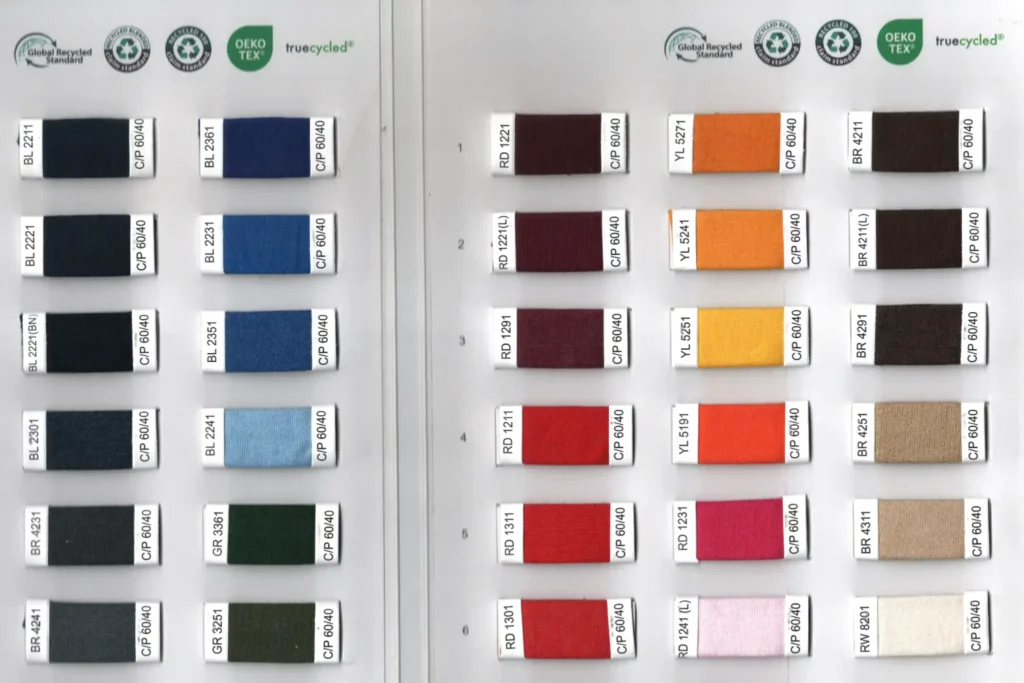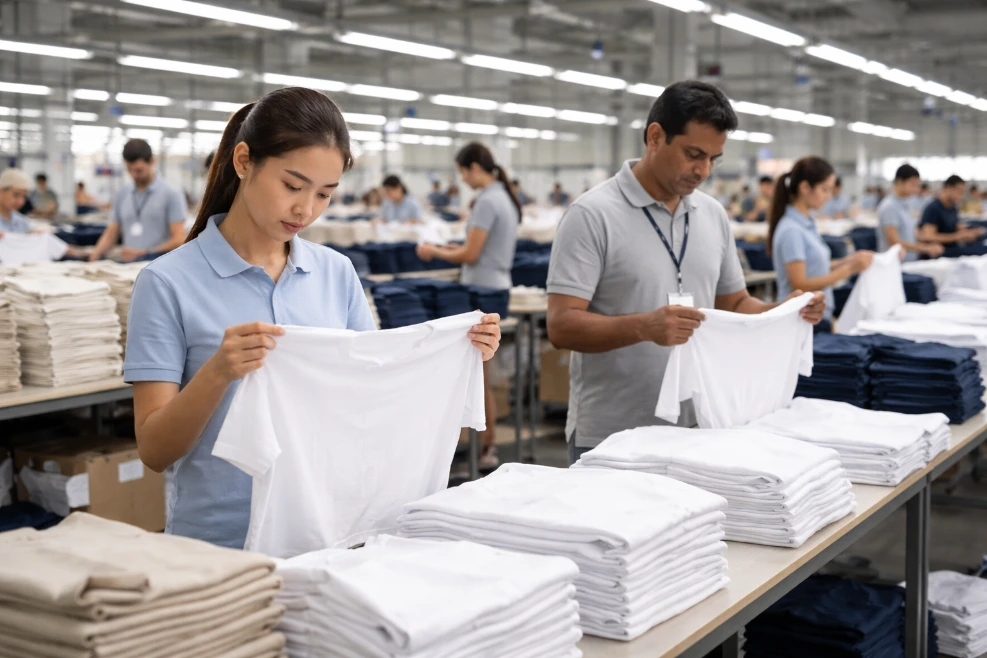
The demand for sustainable apparel has grown rapidly in recent years, with many brands actively looking for organic cotton T-shirts and eco-friendly production partners. Along with this shift, the term GOTS certified garments is being used more frequently across sourcing discussions.
However, there is still a clear gap in understanding what this certification actually involves.
Many buyers assume that using organic cotton fabric is enough to classify a product as certified. In reality, producing GOTS certified garments requires a much more structured and controlled process.
If you are planning to source from India or build a private label collection, understanding this difference will help you avoid compliance issues and align your product with real certification standards.
The Common Misunderstanding Around Organic Cotton
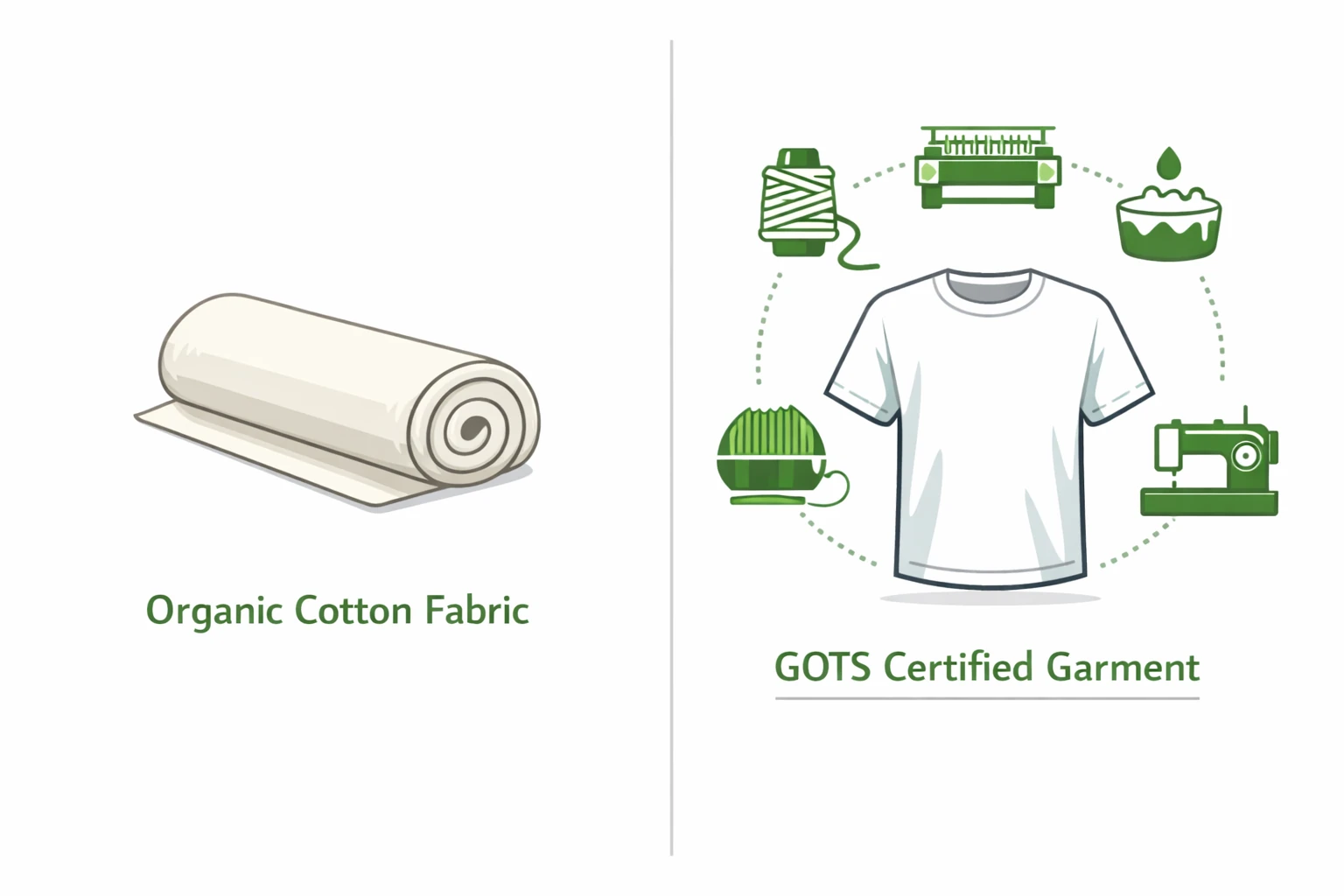
An organic cotton T-shirt may sound like a certified product, but in most cases, it only refers to the raw material.
Typically, this means:
- The cotton is grown organically
- The yarn or fabric may come from a certified mill
- The garment is stitched in a regular factory
At this stage, the product contains organic content, but it is not considered a certified finished garment.
This is where many sourcing programs become unclear. Brands often believe they are buying a certified product when they are actually sourcing organic fabric without full compliance at the garment level.
What Defines a GOTS Certified Garment
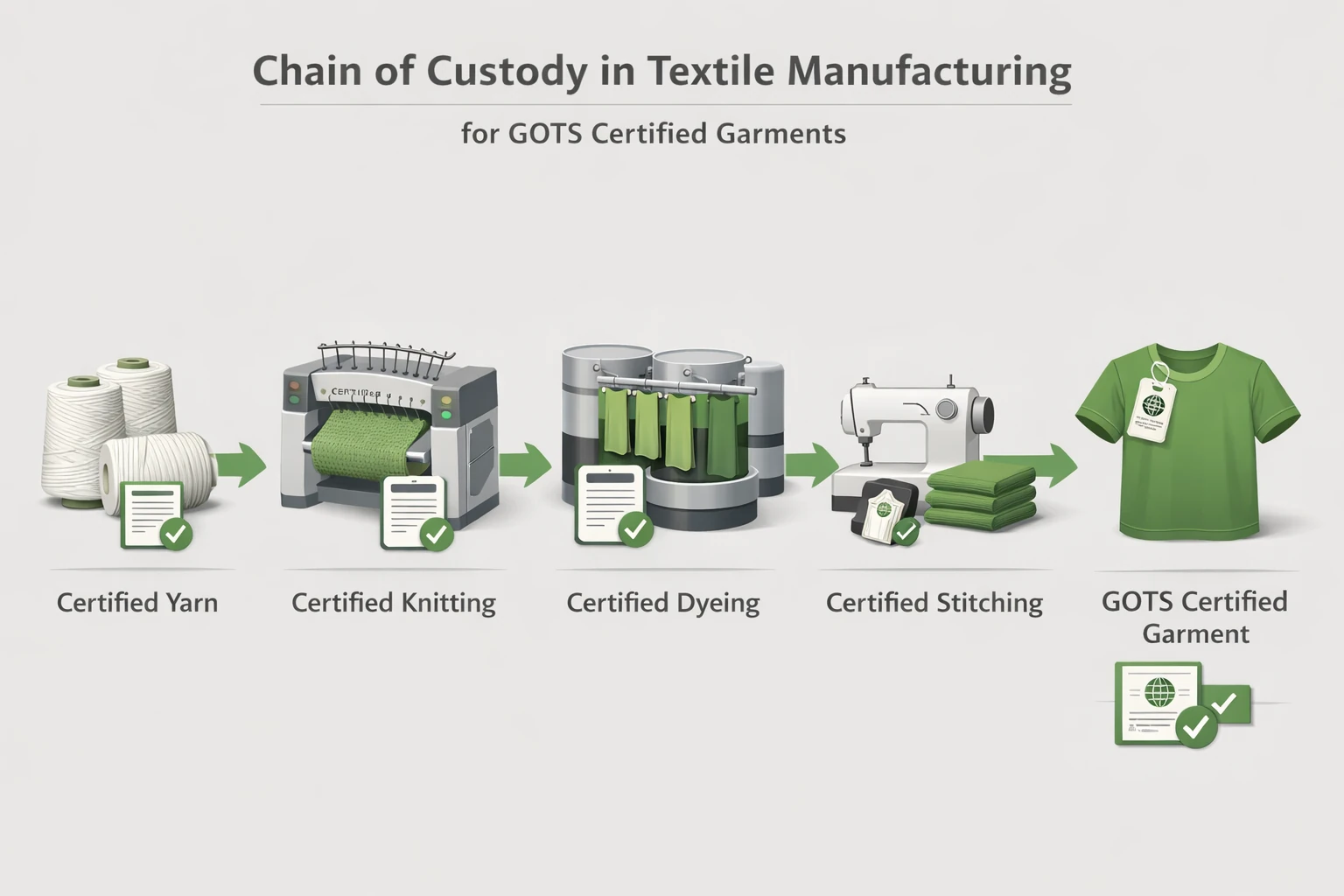
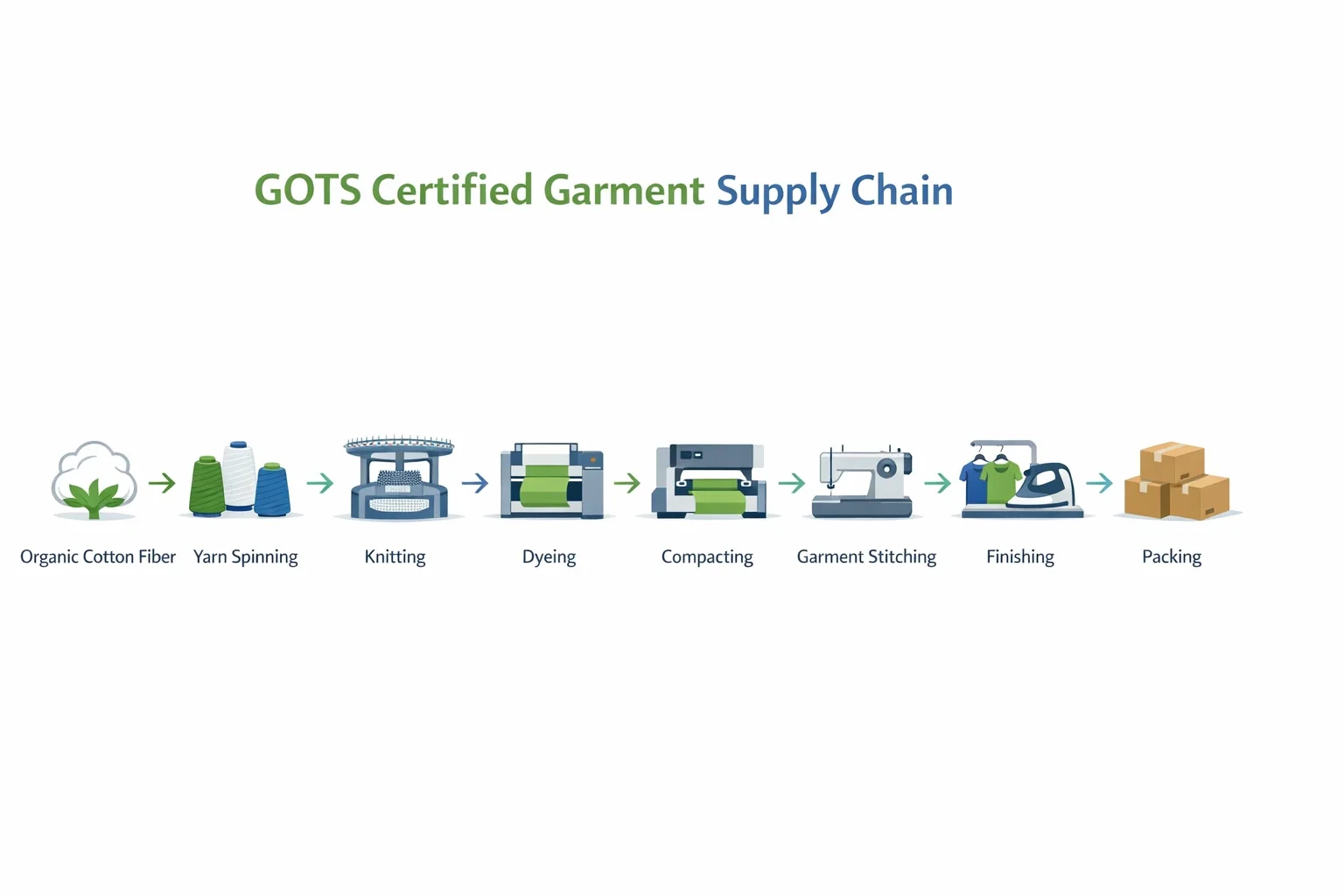
GOTS, or Global Organic Textile Standard, applies to the entire textile supply chain. A product can only be classified as a GOTS certified garment when every stage of production is handled within approved systems.
This includes:
- Yarn preparation
- Fabric formation such as knitting or weaving
- Dyeing and processing
- Finishing treatments
- Cutting and stitching
- Final packing
Each of these stages must be carried out in facilities that are certified and audited under GOTS standards.
If even one step is completed outside this system, the final product cannot be classified as certified.
Why the Chain of Custody Matters
One of the core requirements behind GOTS certified garments is the concept of chain of custody.
This simply means that the product must be traceable from the raw fiber stage all the way to the finished garment.
To maintain this traceability:
- Every process must be documented
- Each supplier must hold valid certification
- Transaction certificates are issued to track movement between stages
Without this structure, there is no way to validate the integrity of the product.
For example, if organic cotton fabric is sent to a non-certified stitching unit, the chain is broken. Even though the fabric was compliant, the final garment is no longer eligible for certification.
Learn More about Sustainable Fabrics
Organic Cotton vs GOTS Certified Garments
To make this clearer, here is a simple comparison:
| Aspect | Organic Cotton T-Shirt | GOTS Certified Garment |
|---|---|---|
| Raw material | Organic cotton used | Organic cotton required |
| Fabric source | May be certified | Must be certified |
| Stitching unit | Any factory | Only certified factories |
| Traceability | Limited | Fully documented |
| Certification claim | Not allowed | Allowed with approval |
| Buyer involvement | Not required | Required |
This distinction becomes important when you are planning product labeling, retail positioning, and export compliance.
A Key Requirement Most Buyers Overlook
Another important factor is the role of the buyer or brand in the certification process.
Even if the entire supply chain is compliant, the product can only be marketed as certified if the buyer is also part of the system.
This means:
- The brand must be registered under GOTS
- Proper documentation must be maintained at the brand level
- Certification must be linked to the final sale
Without this step, the product cannot legally carry certification claims in the market.
This is often overlooked during early sourcing discussions, especially by new brands entering the sustainable apparel segment.
Production Reality and MOQ Expectations
Producing GOTS certified garments is not only about compliance but also about operational feasibility.
Since the process involves:
- Certified facilities at every stage
- Segregated production handling
- Documentation and audit requirements
Factories usually require structured production volumes.
In most cases, the minimum order quantity is around:
10,000 pieces per style or program
This allows the factory to:
- Plan certified production lines efficiently
- Manage documentation without disruption
- Maintain cost balance across the supply chain
For smaller brands, this may not always be practical in the initial stages.
How to Approach Organic and Certified Programs
Not every brand needs to start with full certification from day one.
In many cases, a phased approach works better.
Starting with Organic Cotton Programs
Brands that are testing the market often begin with:
- Organic cotton fabric sourcing
- Standard garment production
- Flexible order quantities
This allows them to build their product line while maintaining a level of sustainability in raw materials.
Moving to GOTS Certified Garments
Once the brand is ready to scale or enter compliance-driven markets, the transition to certified production becomes more relevant.
At this stage, the focus shifts to:
- Full supply chain alignment
- Certified factory allocation
- Documentation and traceability
- Long-term production planning
This structured approach helps maintain both compliance and consistency across production cycles.
Our Role in Supporting Certified Apparel Programs
At Mirthuni Apparel Sourcing Service, we work closely with international buyers to align sourcing strategies with actual production capabilities.
Depending on the requirement, we support:
- Organic cotton fabric sourcing from certified mills
- Allocation of suitable manufacturing units
- Coordination across multiple production stages
- Guidance on certification feasibility and planning
For buyers who require GOTS certified garments, we help structure the program correctly from the beginning, ensuring that all stages are aligned with certification standards.
Final Takeaway for Apparel Buyers
Understanding the difference between organic cotton products and certified garments is essential for making the right sourcing decisions.
To summarize:
- Organic cotton fabric alone does not make a garment certified
- GOTS certification requires full supply chain compliance
- Every stage must be handled by approved facilities
- The buyer must also be part of the certification system
- Production planning and MOQ differ significantly
Approaching this correctly helps avoid delays, incorrect claims, and compliance risks in international markets.
Looking to Source Organic or GOTS Apparel from India
If you are exploring organic cotton production or planning to build a certified apparel line, it is important to evaluate feasibility before moving forward.
We support brands with practical, execution-focused guidance based on real factory capabilities in Tiruppur.
You can share your requirements, and we will help you determine the most suitable approach based on your product, quantity, and target market.