Sustainable fabrics have become the foundation of today’s responsible fashion movement. For private label clothing brands, choosing the right Eco-friendly materials is no longer a marketing trend – it’s a business necessity that shapes both product performance and brand perception.
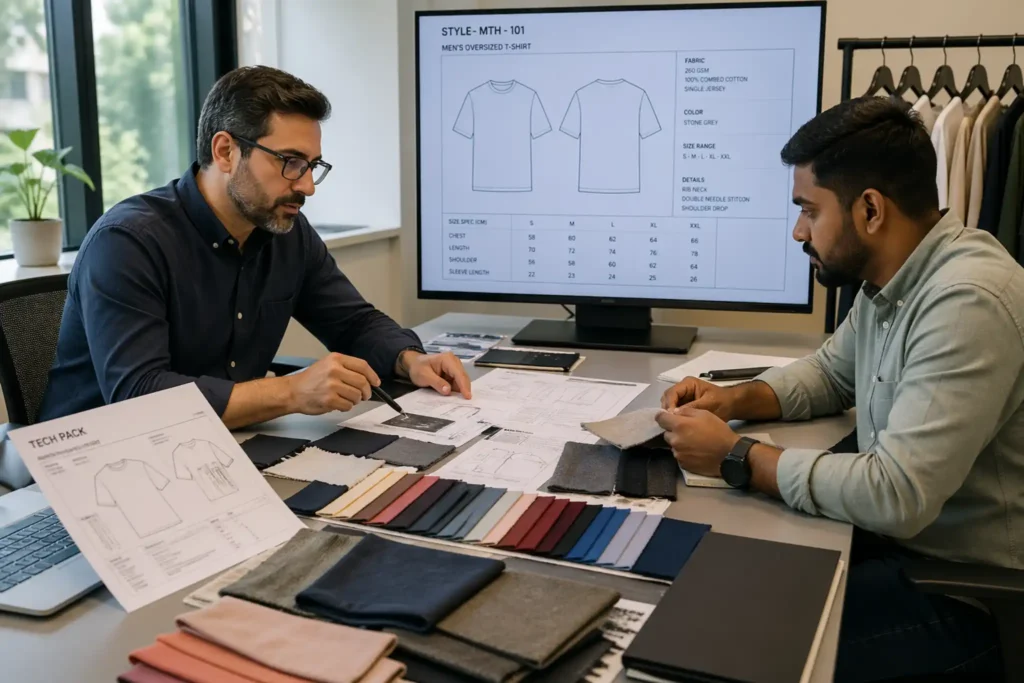
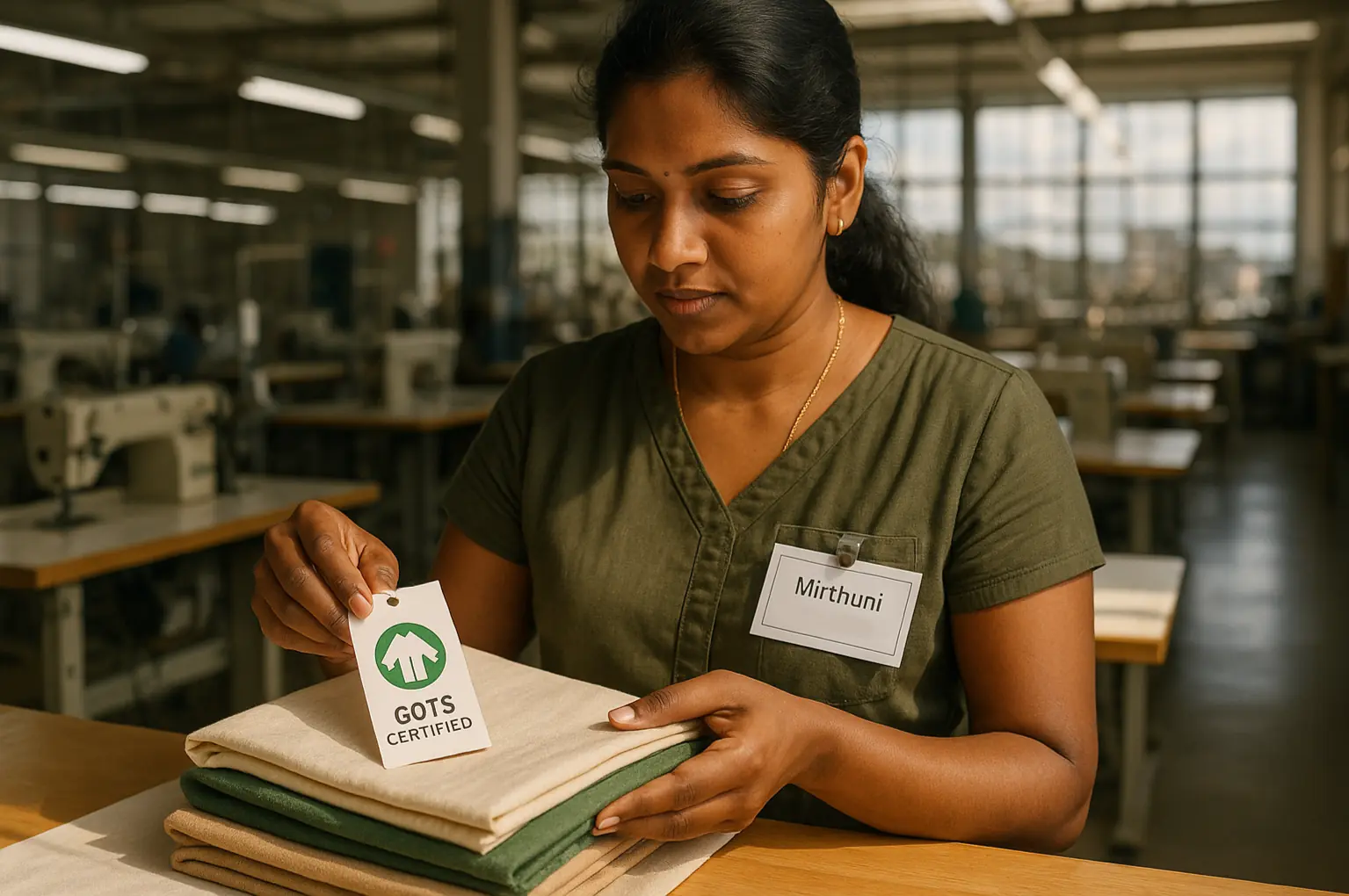
As a sourcing partner based in Tiruppur – India’s knitwear capital, Mirthuni Apparel Sourcing Service collaborates with certified factories (WRAP, BSCI, SA8000, GOTS, and OEKO-TEX) to help brands develop apparel collections that balance sustainability, comfort, and commercial scalability.
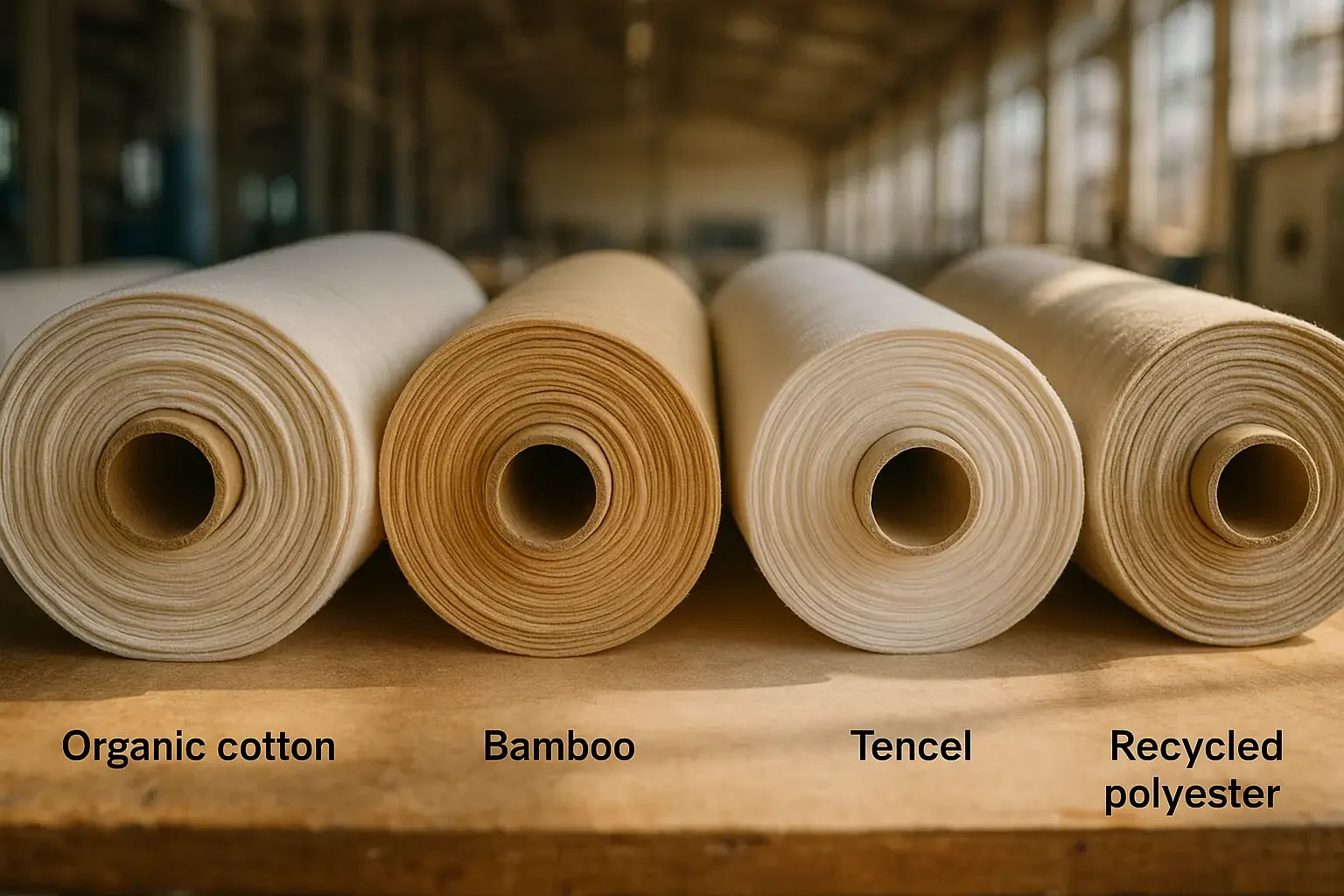
In this guide, we’ll explore five of the most widely used sustainable fabrics that global apparel buyers trust for building ethical, high-quality, and profitable private label lines.
As a sourcing partner based in Tiruppur – India’s knitwear capital, Mirthuni Apparel Sourcing Service collaborates with certified factories (WRAP, BSCI, SA8000, GOTS, and OEKO-TEX) to help brands develop apparel collections that balance quality, performance, and responsibility.
In this guide, we’ll explore five sustainable fabrics that are practical, commercially viable, and increasingly preferred by international buyers.
1️⃣ Organic Cotton - The Global Benchmark for Sustainable Basics
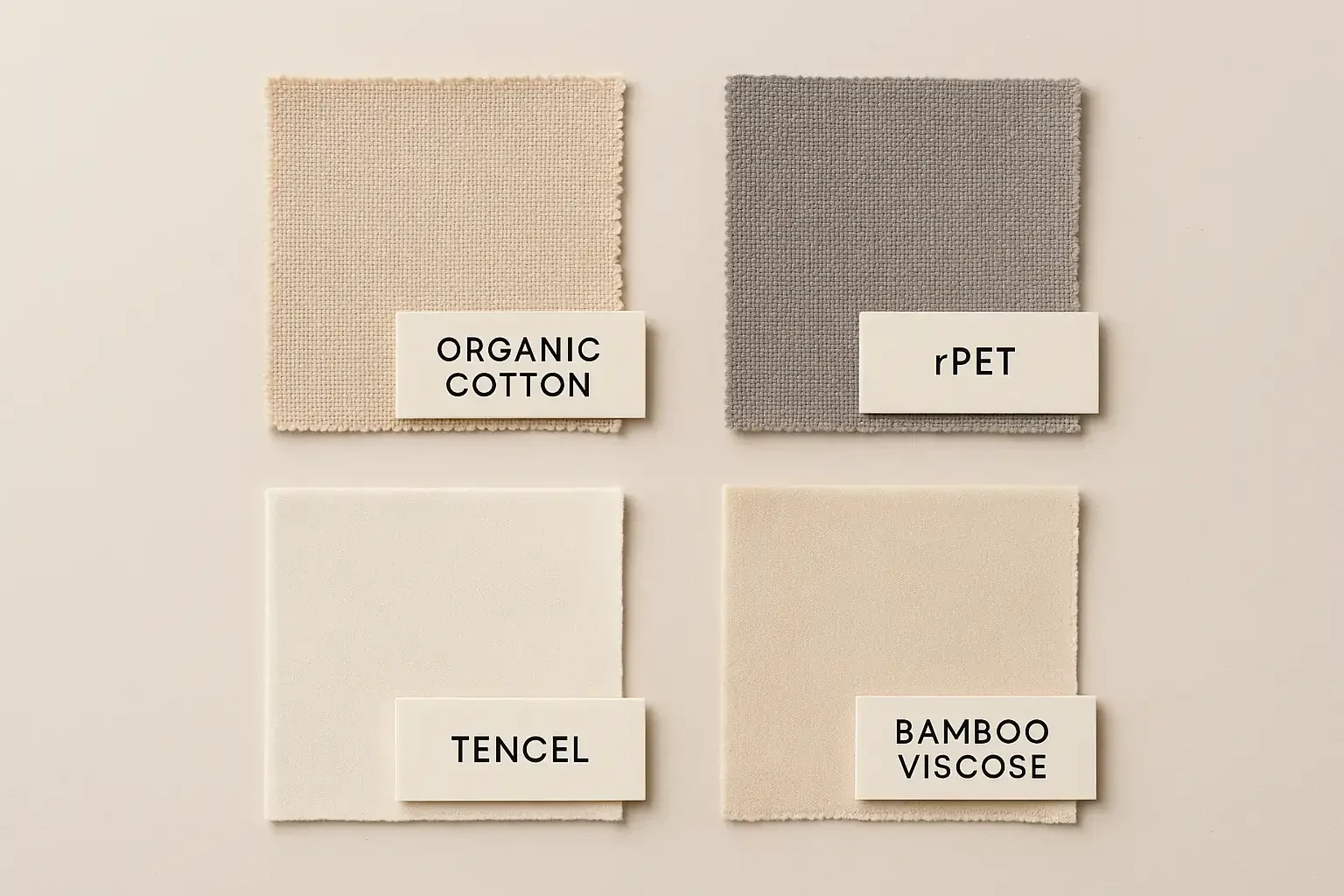
Organic cotton remains the cornerstone of eco-friendly garment manufacturing. It’s cultivated without synthetic fertilizers, pesticides, or genetically modified seeds, making it safer for both farmers and the planet. Compared to conventional cotton, it uses significantly less water and maintains soil fertility naturally.
At Mirthuni Apparel, we work directly with GOTS-certified mills in South India to source combed ring-spun organic cotton yarns suitable for single jersey, interlock, fleece, and French terry fabrics. These are ideal for T-shirts, hoodies, and kidswear – categories where comfort and sustainability go hand-in-hand.
Expert Tip: For brands targeting the European or North American markets, ensure that your garments carry the GOTS transaction certificate (TC). This document validates your claim throughout the supply chain, from yarn to finished apparel.
2️⃣ Recycled Polyester (rPET) - Turning Waste into Wearable Innovation
Recycled polyester, commonly known as rPET, is produced by melting down post-consumer plastic bottles and re-spinning them into new fibers. It offers the same strength and durability as virgin polyester but uses up to 50% less energy and emits fewer greenhouse gases during production.
Our partner factories in Tiruppur use GRS-certified recycled polyester blends to develop activewear, leggings, and outerwear programs for global clients. The fabric’s moisture-wicking property, resilience, and lightweight nature make it ideal for performance-driven products.
Expert Insight: For better softness and breathability, consider blending rPET with organic cotton or recycled cotton. These dual-fiber blends provide a sustainable balance between comfort and function.
3️⃣ Bamboo Viscose - Naturally Renewable, Exceptionally Soft
Bamboo has gained immense popularity as an eco-textile due to its rapid growth and minimal need for irrigation or pesticides. When processed responsibly into bamboo viscose, it becomes one of the softest and most breathable fabrics available for apparel.
At Mirthuni Apparel, we source bamboo fabrics that comply with OEKO-TEX® 100 and FSC (Forest Stewardship Council) standards. These fabrics are perfect for sleepwear, loungewear, and yoga collections, offering a silky-smooth hand-feel with natural antibacterial properties.
Branding Tip: Position your bamboo products as “naturally cooling” or “moisture-adaptive” rather than just “eco-friendly”. This appeals more to conscious consumers who value comfort and technology equally.
4️⃣ Tencel™ Lyocell - The Premium Choice for Modern Private Labels
Tencel™ Lyocell, developed by Lenzing AG (Austria), is one of the most advanced sustainable fibers available today. Made from sustainably sourced eucalyptus pulp, the manufacturing process uses a closed-loop system that recycles over 99% of the water and solvents.
The resulting fabric is luxuriously smooth, breathable, and biodegradable. Many of our European buyers use Tencel™ blends for women’s blouses, dresses, and unisex shirts, as it drapes beautifully and resists wrinkles naturally.
Expert Observation: Tencel™ has a strong sustainability story supported by lifecycle data. Including verified claims (such as “made with Lenzing™ Lyocell”) in your hangtags boosts buyer confidence and compliance for EU retail markets.
5️⃣ Recycled Cotton Blends - Giving New Life to Textile Waste
Recycled cotton is produced by re-spinning waste yarns, fabric scraps, and discarded textiles into usable fibers. This process reduces water usage, landfill waste, and dependency on virgin raw materials.
In Tiruppur, several of our collaborating mills operate mechanical recycling units that collect cutting waste from garment factories and convert it into new yarns. However, because recycled cotton fibers are shorter, they’re often blended with organic cotton or recycled polyester to enhance strength.
Use Case: Recycled cotton blends are perfect for streetwear, casualwear, and promotional apparel, where sustainability can be communicated as part of the brand story without compromising durability.
🧠 Expert Take: The Future of Sustainable Fabrics
As sustainability shifts from buzzword to benchmark, fabric choices now influence sourcing decisions as much as price or MOQ. Buyers across the EU, UK, and US increasingly require certifications like OEKO-TEX, GOTS, and GRS, not just marketing claims.
At Mirthuni Apparel Sourcing, we ensure every eco-fabric is backed by transparent documentation. From sample yard sourcing to final bulk shipments, our team oversees the full process to maintain both compliance and consistency.
We also advise new private label brands on balancing sustainability with scalability – helping them start with smaller, achievable quantities while building long-term ethical partnerships.
📦 Conclusion
Choosing sustainable fabrics isn’t just about meeting buyer expectations – it’s about building a responsible supply chain that supports farmers, workers, and future generations.
Whether your next collection focuses on organic cotton tees, bamboo loungewear, or Tencel™ dresses, Mirthuni Apparel Sourcing Service connects you with trusted, certified factories that specialize in eco-friendly production.
If you’re ready to develop your sustainable private label line, reach out to our team today. We’ll guide you through fabric selection, sampling, and production planning – ensuring your garments stand for both quality and conscience.