For many Indian fashion startups and emerging brands, sampling is often misunderstood as a “small job” – a quick task where a factory stitches two or three pieces and sends them out. In reality, sampling and bulk production are two very different manufacturing processes, each with its own challenges, costs, and expectations.
Understanding this difference early can save brands time, money, frustration, and damaged supplier relationships. More importantly, it helps brands approach factories with realistic expectations and professional clarity.
This article explains what really changes between sampling and bulk production in garment manufacturing, why sampling is not as simple as it looks, and why factories often insist on minimum order quantities (MOQs) for bulk orders.
Why Sampling Is Not “Easy Production”
“We can’t just go to a factory and stitch 3 pieces”
One of the most common misconceptions among startups is that a factory can simply pause bulk production and stitch a few sample garments on demand.
In reality, factories are structured for volume, consistency, and efficiency, not one-off work.
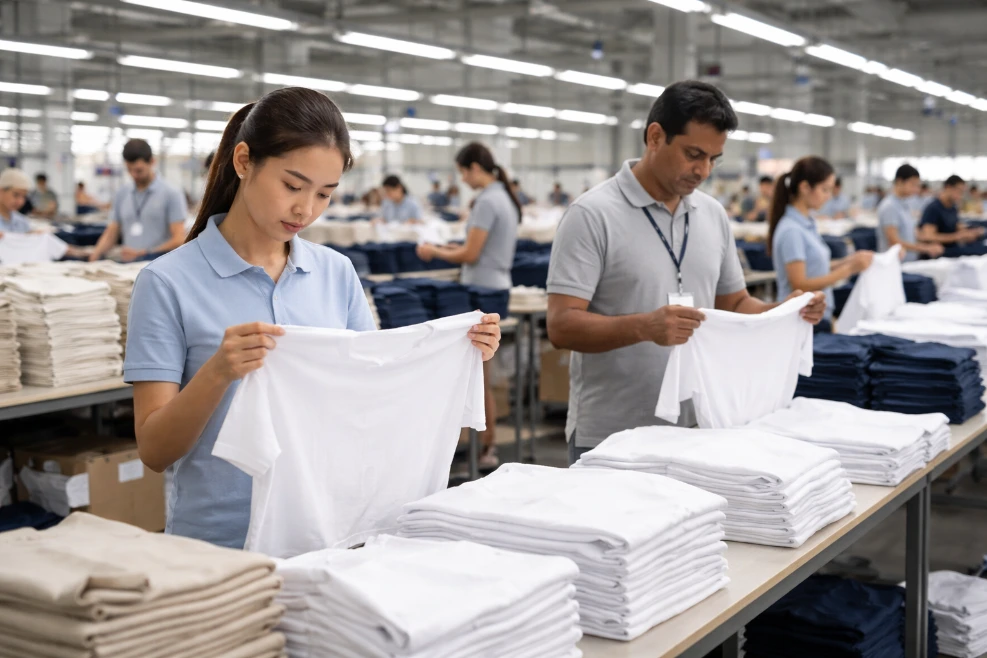
A typical export or domestic factory floor is running:
Hundreds or thousands of pieces per style
Fixed machine configurations
Pre-planned production schedules
Tight delivery commitments to multiple buyers
Stopping this flow to stitch just two or three samples is not a small interruption – it disrupts the entire production rhythm of the line.
This is why many factories hesitate to accept casual sampling requests, especially from buyers without a clear roadmap.
The Real Work Behind a Sampling Order
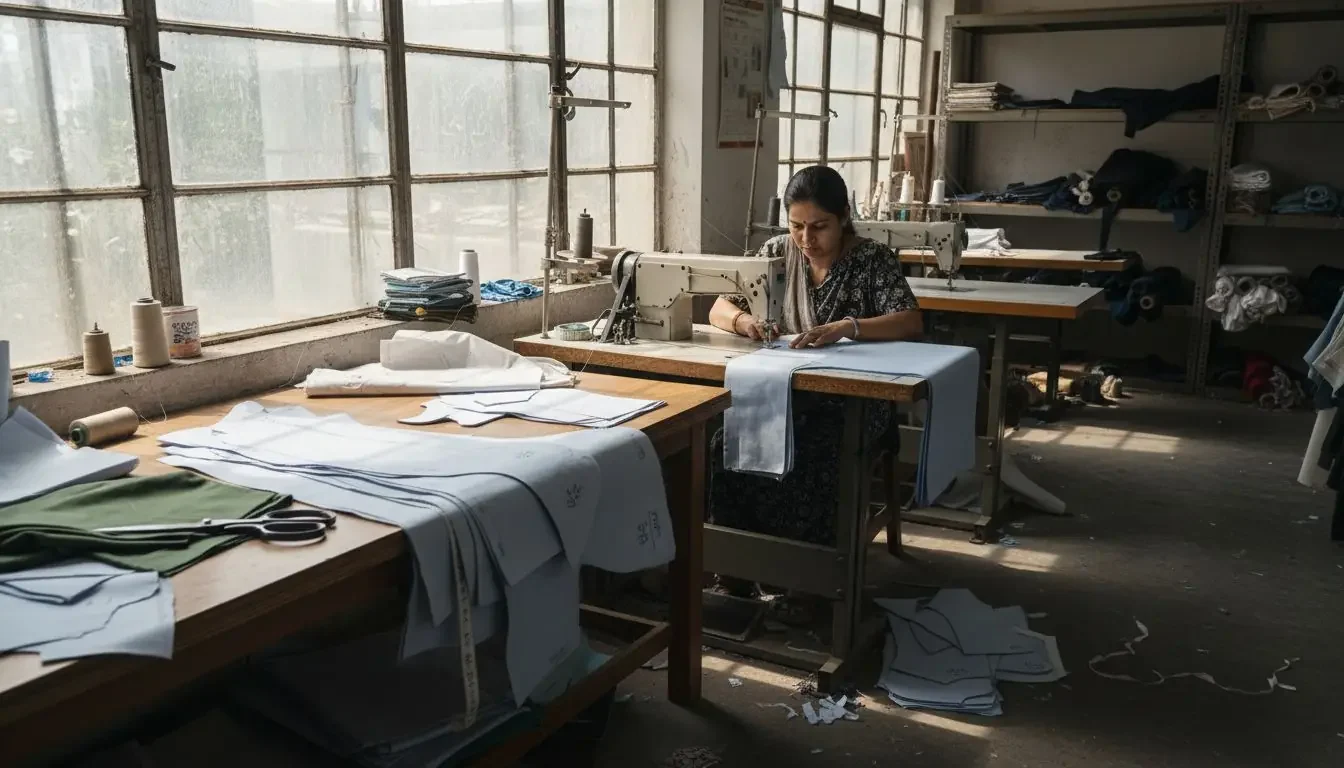
1. Machine setup is not automatic
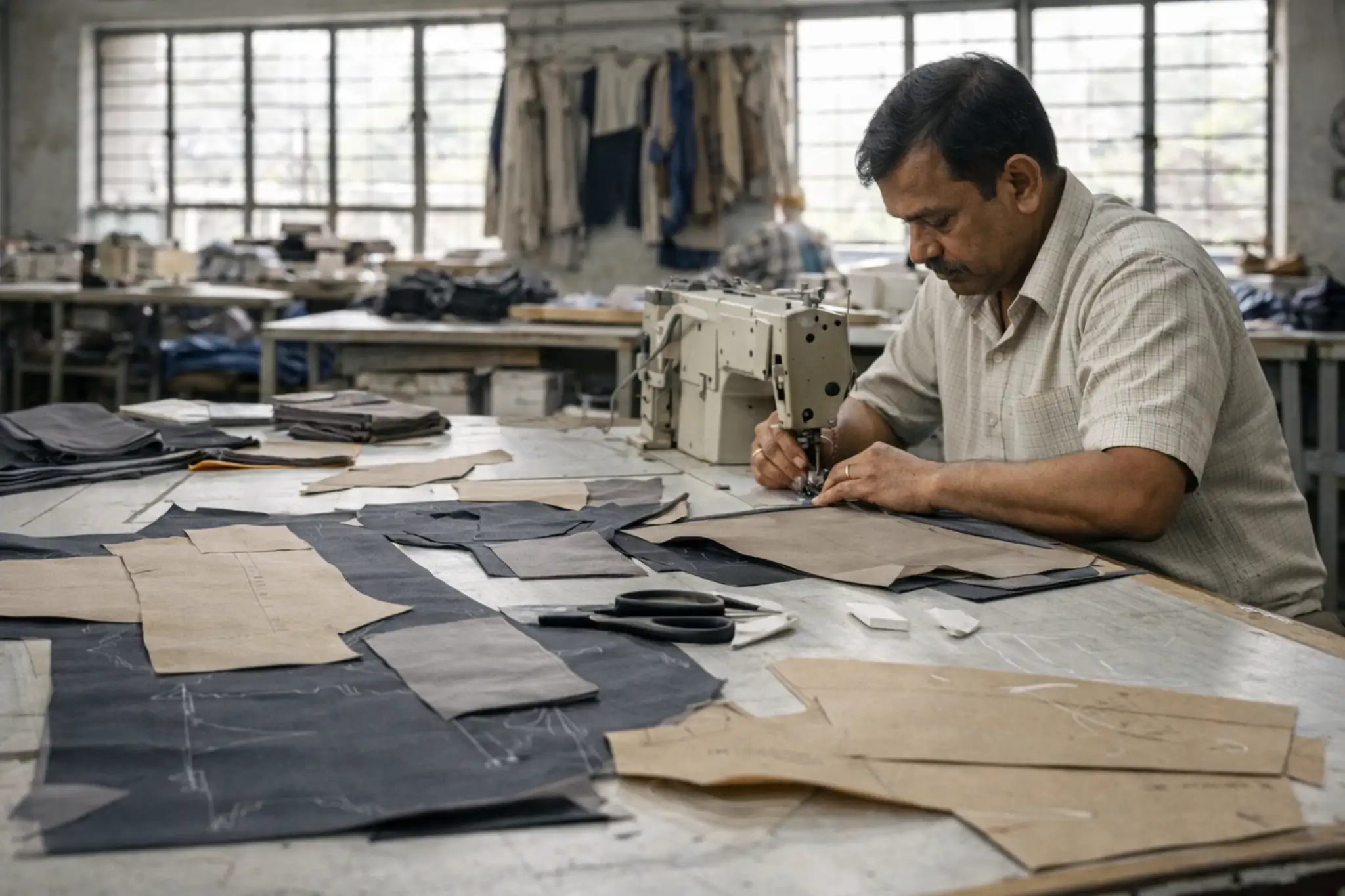
Every sampling program requires manual machine reconfiguration. This may include:
Changing stitch type
Adjusting stitch density and SPI
Replacing threads
Resetting machine tension
Changing needle size and type
Calibrating seam allowances as per the tech pack
Even for a single garment, the setup must closely match the intended final production method.
This setup alone can take several hours, even before the first actual sample is stitched.
Factories are not ignoring sampling – they are protecting production efficiency and quality control.
2. Fabric and yarn handling takes time
Sampling is not just stitching.
Before stitching:
Fabric must be sourced, checked, and relaxed
GSM variation must be accounted for
Shrinkage behaviour must be considered
Fabric grain and direction must be controlled
Trial stitching is often done before final construction
For knit garments especially, improper handling at sampling stage can lead to misleading fit results. Factories therefore proceed cautiously.

3. Tech pack clarity matters more than money
A common assumption among buyers is that paying more guarantees better samples.
In garment manufacturing, this is rarely true.
What actually determines sampling quality:
Clear and realistic tech packs
Achievable measurements
Practical construction details
Fabric choices aligned with end use
Money helps cover effort, but clarity, credibility, and patience determine results.
Factories tend to prioritise buyers who:
Communicate clearly
Understand manufacturing constraints
Avoid frequent last-minute changes
Show long-term intent beyond sampling
4. Why sampling requests are often ignored
Many factories receive multiple sampling enquiries that:
Never convert into bulk orders
Change designs repeatedly
Lack proper documentation
Disappear after receiving samples
Over time, factories learn to protect their resources by prioritising serious buyers, not just paying buyers.
This is why many startups feel that factories are “not responsive”. In reality, factories are managing risk.
Sampling is not rejected due to lack of money – it is rejected due to lack of trust.
Why Sampling Takes Longer Than Expected
Most buyers ask:
“It’s only one piece – why does it take 10 to 15 days?”
The answer lies in how sampling fits into factory operations:
Sampling competes with confirmed bulk orders
Dedicated sampling teams are limited
Skilled operators are required
Multiple internal checks are done before dispatch
Sampling is precision-driven, not speed-driven.
Rushed samples often lead to incorrect approvals, which later cause bulk issues.
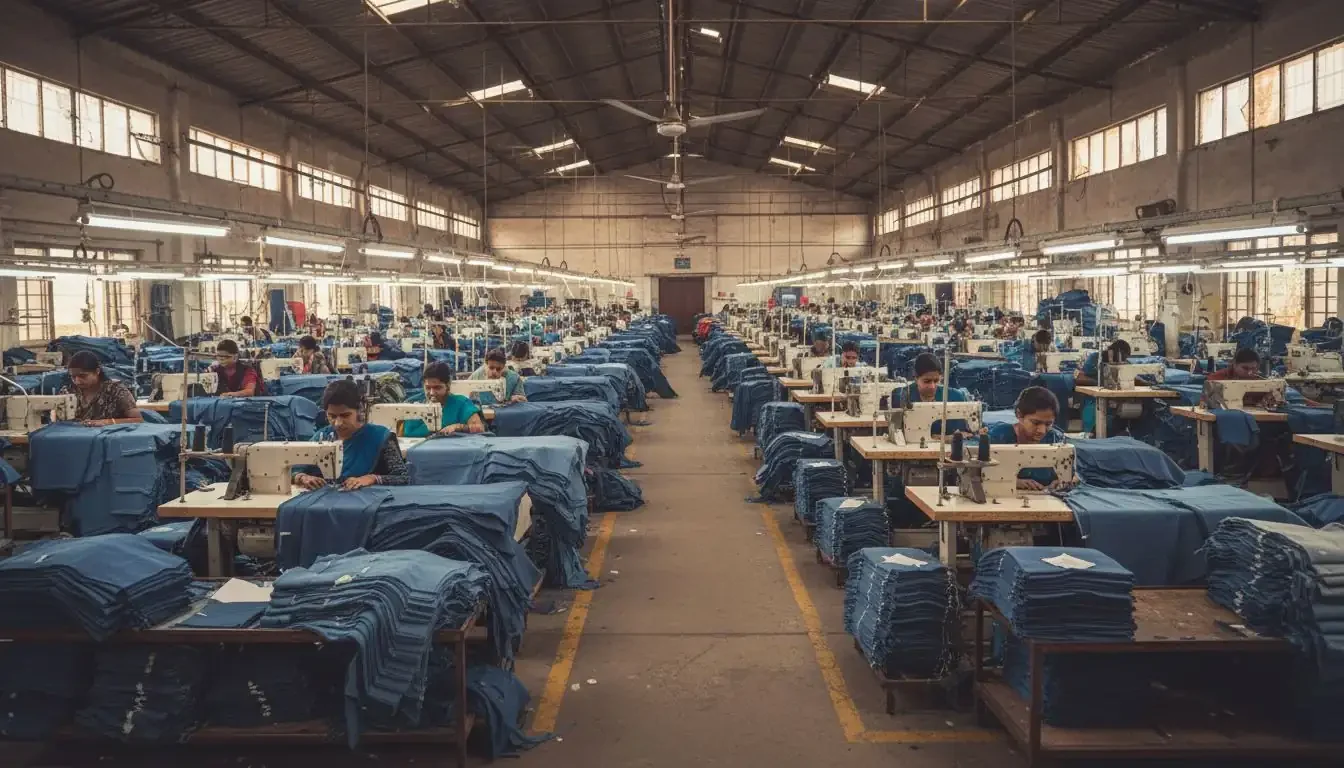
Bulk Production: Same Effort, Different Economics
Bulk production is not easier – it is more efficient
Once a style is approved, bulk production involves:
Complete line setup
Machine standardisation
Operator training
Production balancing
Inline and final quality checks
The same foundational effort used during sampling is now distributed across hundreds or thousands of garments.
This is where factories recover their time and investment.
Why factories demand higher MOQs
From a factory’s perspective:
Machine setup cost is fixed
Line balancing effort remains the same
Planning complexity does not reduce with quantity
Whether producing 300 pieces or 30,000 pieces, the preparation effort is almost identical.
Higher MOQs ensure:
Cost efficiency
Quality consistency
Better scheduling
Reduced operational risk
MOQ is not about pushing volume – it is about making production viable.
Sampling vs Bulk Production: Key Differences
| Aspect | Sampling | Bulk Production |
|---|---|---|
| Machine setup | Frequent, manual | One-time, locked |
| Time investment | High per garment | Optimised per piece |
| Cost efficiency | Low | High |
| Factory priority | Low to medium | High |
| Buyer commitment | Uncertain | Confirmed |
| Quality stability | Variable | Consistent |
What Indian Brands and Startups Should Understand
Sampling is skilled work, not casual work
Factories cannot stop bulk lines for small quantities
Tech packs matter more than negotiation
Money alone does not guarantee results
Trust and patience unlock cooperation
Bulk orders justify factory investment
Brands that understand this build long-term manufacturing relationships. Those who don’t often keep switching suppliers and repeating the same problems.
Final Thoughts
Sampling and bulk production are not two sizes of the same process – they are fundamentally different stages of garment manufacturing.
Sampling demands:
Precision
Clear communication
Time investment
Mutual trust
Bulk production demands:
Planning
Volume commitment
Process discipline
Consistency
For Indian startups, understanding this distinction early helps avoid frustration, delays, and unnecessary cost escalations.
Garment manufacturing is not transactional.
It is built on process, trust, and long-term thinking.
If you’re planning sampling or bulk production and want to structure it realistically, understanding factory workflows early can save months of trial and error.