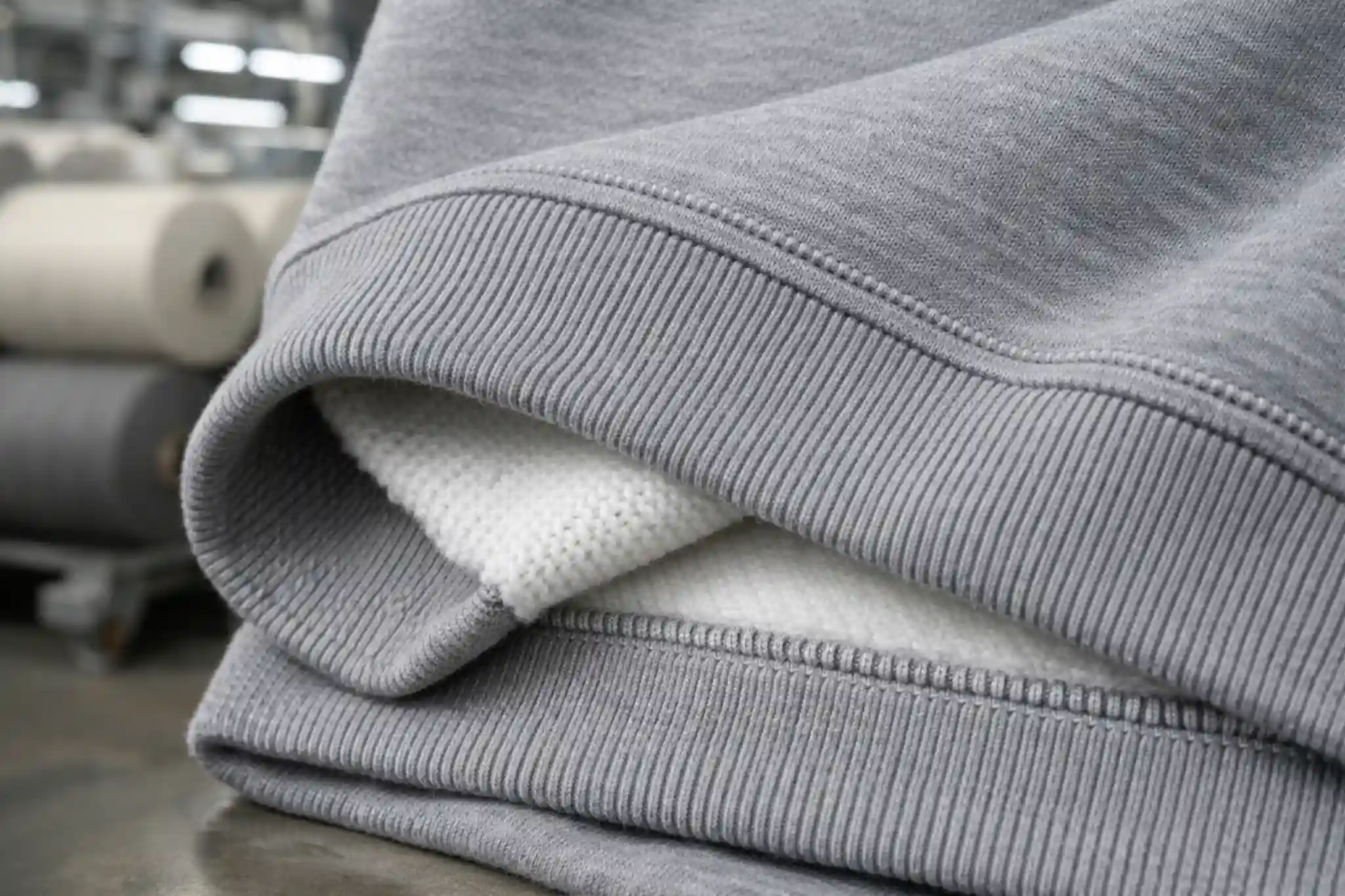
Sweatshirt manufacturing India has evolved into a structured, export-driven ecosystem capable of supporting private label brands, retail programs, and sustainable collections for international markets. From fabric engineering to bulk production planning, modern sweatshirt programs demand far more than basic stitching capacity.
For fashion brands sourcing from India, understanding how sweatshirts are actually developed, constructed, and executed at scale helps reduce sampling delays, quality risks, and production uncertainty.
This guide explains how professional sweatshirt manufacturing works in India, what technical decisions influence cost and quality, and how brands can plan a smooth production cycle.
Why Sweatshirt Manufacturing India Is Globally Relevant
India’s knitwear clusters, especially in South India, specialize in cotton-based and blended fleece garments. Sweatshirts are primarily knit products made using loopback (French terry) or brushed fleece structures.
Manufacturers here typically support:
Private label sweatshirts
Corporate merchandise programs
Kidswear fleece products
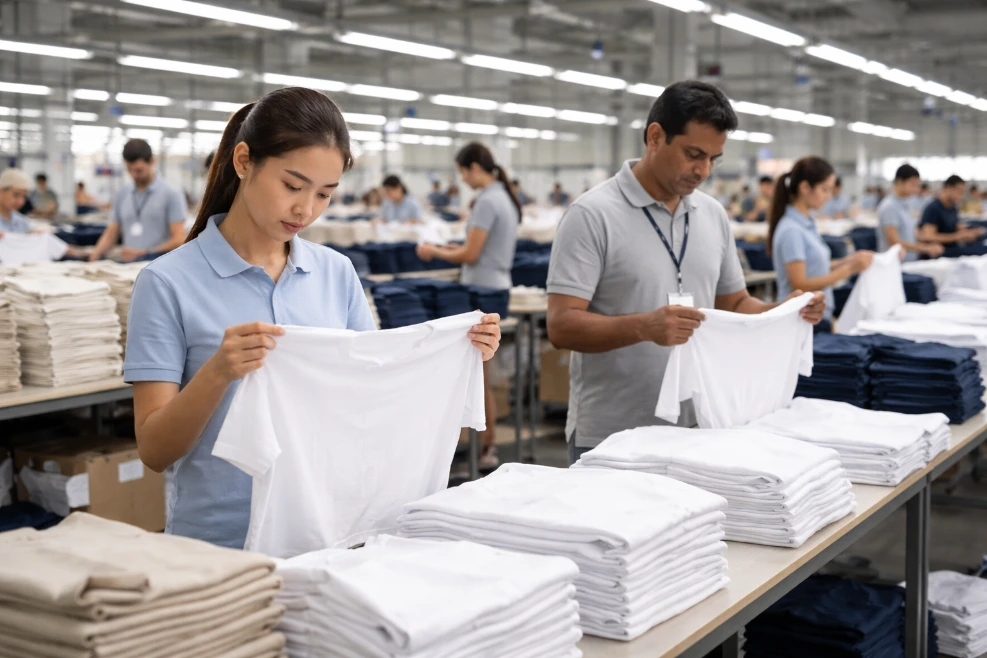
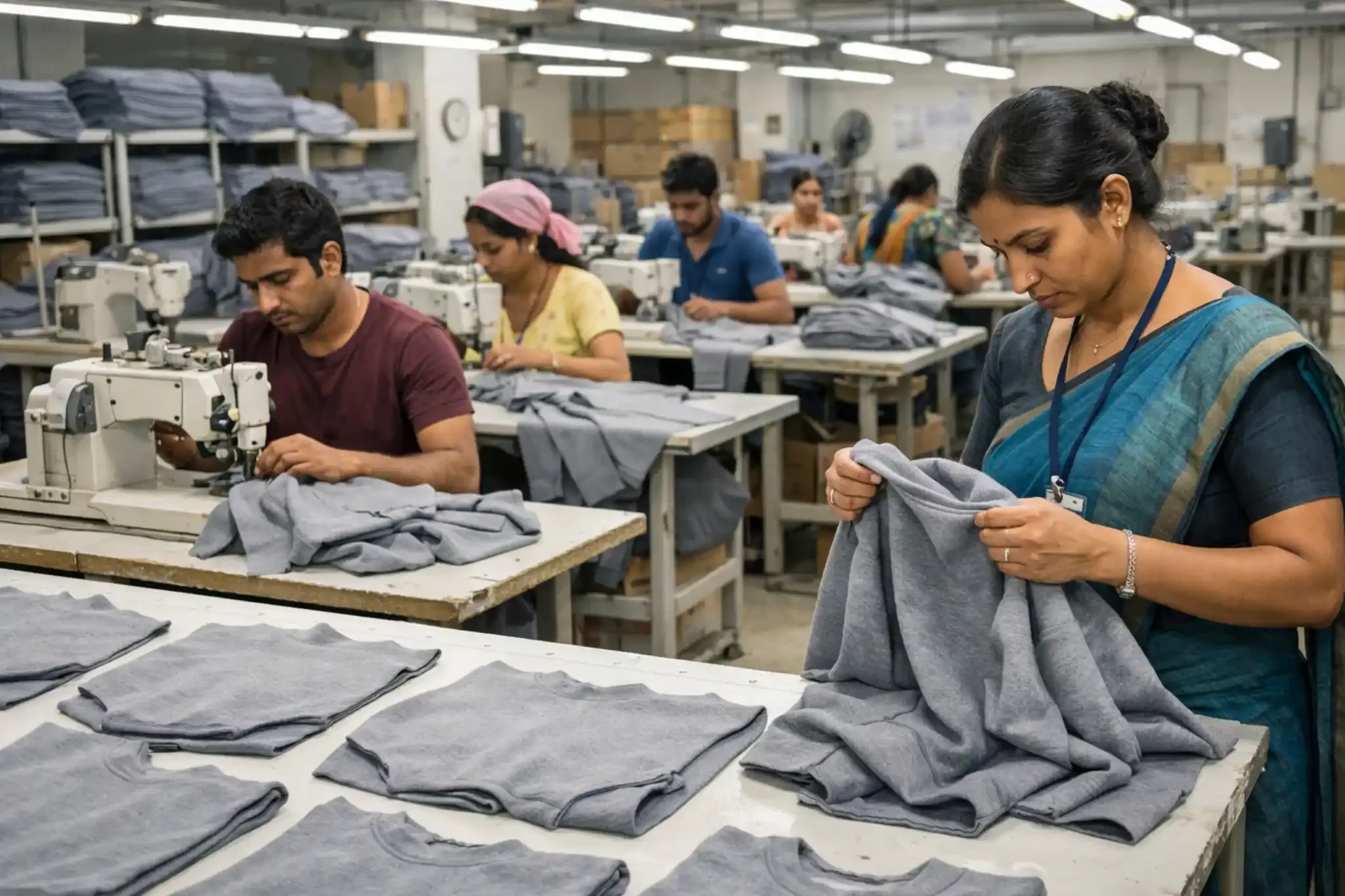
The strength lies in vertical coordination – knitting, dyeing, finishing, cutting, stitching, and packing handled through structured factory networks.
Fabric Selection: The Foundation of Every Sweatshirt
The first and most important step in sweatshirt manufacturing India is fabric engineering.
1. French Terry (Loopback)
Typically, 280-340 GSM
Breathable inner loops
Suitable for transitional climates
Ideal for lightweight collections
French terry is widely used in EU retail programs where layering flexibility is required.
2. Brushed Fleece
Typically 320–420 GSM
Soft brushed interior
Winter-oriented collections
Requires pilling control testing
Brushed fleece gives a heavier, premium hand feel but demands careful finishing to avoid fiber shedding.
3. Organic & Sustainable Blends
Organic cotton fleece
Recycled polyester blends
Cotton-poly sustainable mixes
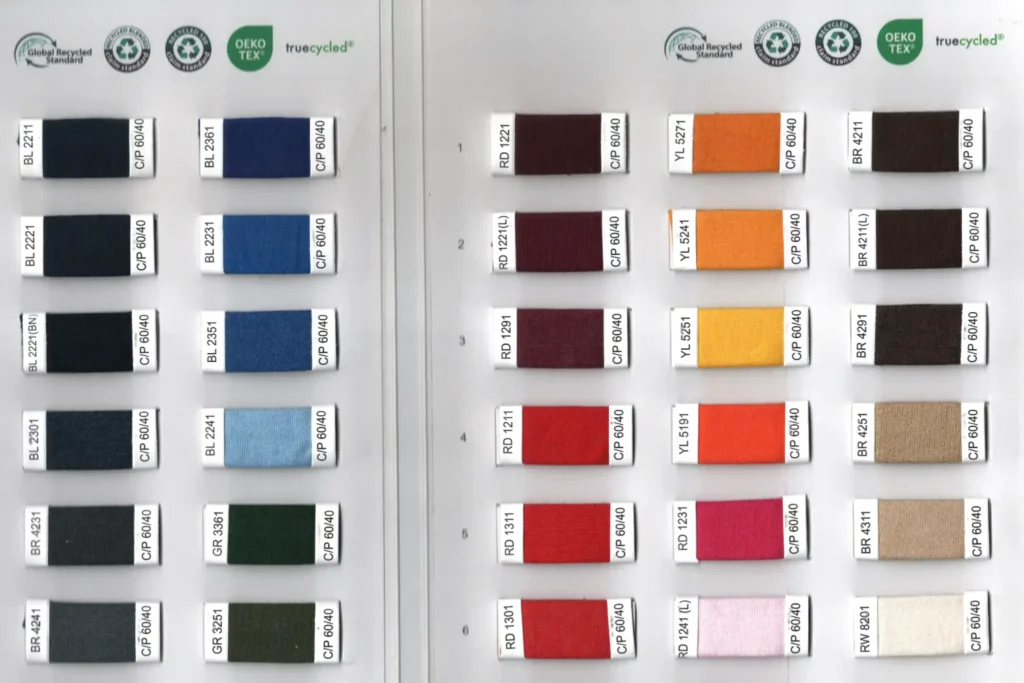
For brands targeting responsible sourcing, manufacturers often support GOTS-aligned cotton programs or recycled blends depending on program feasibility.
Construction Details That Influence Quality
Many sourcing challenges arise not from fabric, but from garment construction decisions.
Key elements include:
Stitching Structure
3-thread overlock construction
4-thread fleece stitching for added strength
Coverstitch finishing at hem
Rib Components
Collar, cuffs, and waistband ribs must match shrinkage behavior of the main body fabric. Poor rib control leads to twisting or neckline distortion after wash.
Neck Reinforcement
Shoulder-to-shoulder neck tape
Double needle topstitching
Stabilized back neck binding
These small details significantly improve retail durability.
Pattern & Fit Considerations
Drop shoulder construction
Oversized streetwear blocks
Classic retail fit
Cropped women’s silhouettes
Kidswear grading precision
Experienced sweatshirt manufacturing India programs include fit validation before bulk production to prevent post-production corrections.
Sampling Phases in Sweatshirt Production
Professional manufacturers follow multiple sampling checkpoints:
Proto Sample – Validates style and base construction
Fit Sample – Confirms measurements and silhouette
Size Set Sample – Reviews grading consistency
Pre-Production (PP) Sample – Final bulk reference
Skipping sampling stages increases bulk risk. Structured programs avoid rushing into production without approvals.
Production Timeline Overview
A typical sweatshirt manufacturing India timeline runs 6-8 weeks depending on fabric development.
Week 1-2: Yarn procurement and knitting
Week 2-3: Dyeing and fabric finishing
Week 3-4: Sampling approvals
Week 5-7: Bulk stitching and finishing
Week 8: Final inspection and dispatch
This may vary based on custom dyeing, embroidery, printing, or wash treatments.
Quality Control Measures
Reliable sweatshirt production requires layered quality checks.
Fabric Testing
GSM verification
Shrinkage testing
Color fastness evaluation
Pilling resistance testing
Inline Production Checks
Measurement tolerance control
Seam strength validation
Print or embroidery alignment
Final Inspection
Visual defect screening
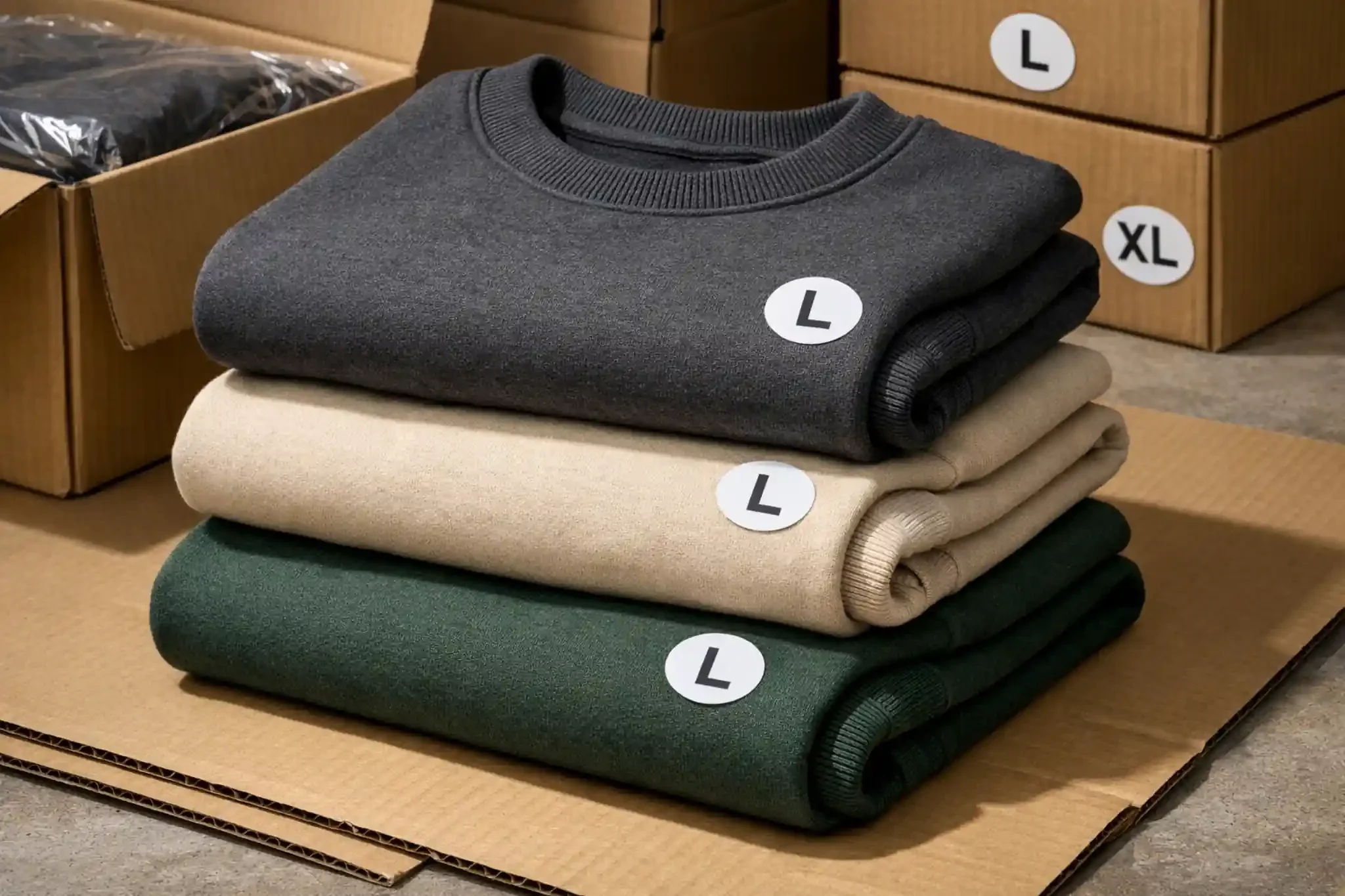
Carton labeling accuracy
Packing list cross-verification
Professional exporters coordinate documentation accuracy alongside garment quality control.
Common Mistakes Brands Should Avoid
Brands new to sweatshirt manufacturing India often underestimate technical details.
Frequent issues include:
Ignoring wash shrinkage before approving bulk
Selecting mismatched rib compositions
Overlooking fleece shedding risk
Incorrect neckline depth approvals
Assuming GSM before wash equals after wash weight
Clear technical validation during sampling prevents costly rework.
MOQ Considerations
Minimum order quantities depend on fabric dyeing lots and rib matching requirements.
Typically influenced by:
Fabric weight
Custom dye per color
Sustainable material sourcing
Print or embroidery techniques
For brands testing new collections, pilot programs may be structured depending on fabric feasibility.
Who Benefits Most from Sweatshirt Manufacturing India
Sweatshirt manufacturing India supports:
Streetwear programs
EU seasonal retail collections
Sustainable apparel brands
The key advantage lies in cotton expertise, scalable knitting capacity, and export-aligned documentation workflows.
Strategic Takeaway
Sweatshirt manufacturing India is not just about cost efficiency. It is about structured execution – fabric engineering, rib coordination, sampling discipline, production planning, and controlled quality systems.
Brands that approach sweatshirt sourcing with clear technical planning experience smoother bulk production, fewer fit corrections, and stronger retail outcomes.
For international buyers, especially those building private label or seasonal collections, understanding how sweatshirts are developed at each stage improves both timeline control and margin predictability.